



If you’ve found yourself crying more easily, reacting intensely to small frustrations, or feeling emotionally raw without a clear reason, you’re not alone. Many people experience periods of heightened sensitivity that appear without warning. If you’re wondering, “Why am I so emotional lately?” understanding the patterns behind these shifts is the first step toward finding answers.
This guide walks through the most common causes behind sudden emotional changes, how to identify your specific triggers, and practical steps to manage overwhelming emotions. Whether your heightened sensitivity started recently or has been building over time, recognizing the patterns can help you decide what support you need. The timing of your emotional shifts offers important clues about their origin. If the shifts emerged within the past few weeks, they often point to acute triggers—a new medication, a major life event, or sudden stressors. Gradual onset patterns developing over several months may signal hormonal imbalance and mood swings, chronic stress, or underlying mental health conditions. Tracking when you first felt more tearful or irritable helps narrow potential causes.
Common Reasons You’re Feeling More Sensitive Than Usual
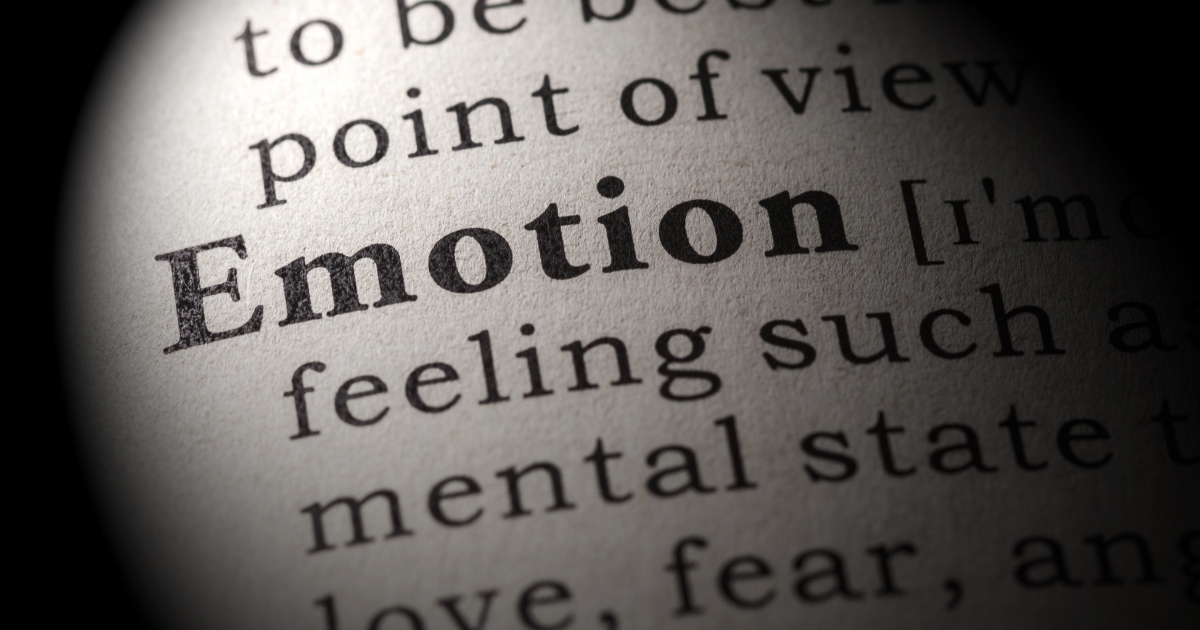
When you’re asking, “Why am I so emotional lately?” multiple factors can contribute to heightened emotional reactivity. Some are biological, others situational, and many involve a combination of influences. Identifying which of these resonates with your experience helps you target the right solutions.
Biological and Chemical Factors
Hormones regulate mood powerfully. Menstrual cycle phases, perimenopause, thyroid dysfunction, and postpartum periods affect emotional regulation. Premenstrual dysphoric disorder causes severe mood swings before menstruation, while thyroid imbalances produce anxiety, irritability, or depressive symptoms. Certain medications—hormonal contraceptives, corticosteroids, beta-blockers, some antidepressants—also list mood changes as side effects. Alcohol and recreational substances alter neurotransmitter function, increasing emotional volatility. If emotional shifts coincided with medication changes, that connection warrants attention.
Chronic Stress and Burnout
Prolonged stress depletes your emotional reserves. Over time, chronic activation erodes your capacity to manage everyday frustrations, lowering your stress threshold. During periods of sustained pressure, the question of why you’re feeling so emotional becomes pressing.
Sleep Deprivation
Inadequate sleep disrupts emotional processing centers in the brain. Even a few nights of poor rest heighten emotional reactivity, and chronic sleep loss compounds this effect.
Underlying Mental Health Conditions
Depression, anxiety disorders, post-traumatic stress, and bipolar disorder all involve emotional dysregulation as core symptoms. Persistent sadness, pervasive worry, intrusive memories, or mood episodes that cycle between extremes suggest a clinical concern that benefits from professional evaluation.
Loss and Medical Factors
Grief extends beyond death. Job loss, divorce, relocation, or relationship endings trigger mourning that disrupts identity and stability, often resurfacing in waves weeks or months later. Chronic pain, autoimmune conditions, and neurological disorders also affect mood through biological pathways and the emotional toll of illness. If physical symptoms accompany emotional changes, a medical evaluation can clarify underlying contributions.
| Cause Category | Typical Onset Pattern | Key Distinguishing Features |
|---|---|---|
| Hormonal | Cyclical or tied to life stage | Predictable timing, physical symptoms like fatigue or hot flashes |
| Sleep-Related | Acute, within days of poor sleep | Rapid onset, improves quickly with sleep restoration |
| Mental Health | Variable, may be episodic | Persistent across situations, often includes other symptoms like hopelessness or panic |
Identifying Triggers and Building Regulation Skills
If you’re wondering, “Why am I so emotional lately?” recognizing patterns in your emotional responses helps pinpoint what causes emotional sensitivity in your particular situation. Start by tracking when heightened emotions occur. Note the time of day, what you were doing, who you were with, and physical sensations—tension headaches, stomach discomfort, rapid heartbeat. Over a week or two, patterns often emerge that reveal whether your emotional shifts cluster around certain situations, times in your menstrual cycle, or after specific activities. Distinguishing between situational, biological, and psychological causes requires honest reflection. Situational triggers produce emotional responses that make sense given the circumstances. Biological causes create emotional changes that feel disconnected from external events. Psychological causes involve thought patterns, unresolved trauma, or mental health conditions that color your interpretation of neutral situations.
Learning how to manage overwhelming emotions requires both understanding their source and developing practical skills to navigate them in the moment. Emotional regulation techniques create distance between triggers and reactions, helping you manage overwhelming emotions without becoming consumed.
- Grounding exercises anchor you in the present moment when emotions feel unmanageable. The 5-4-3-2-1 technique—naming five things you see, four you can touch, three you hear, two you smell, and one you taste—interrupts emotional escalation by redirecting attention to sensory input.
- Controlled breathing activates the parasympathetic nervous system, which counteracts the stress response. Box breathing—inhaling for four counts, holding for four, exhaling for four, holding for four—calms your physiology and creates mental space to choose your response.
- Naming emotions reduces their intensity. Research shows that labeling what you feel—”I’m experiencing anxiety” or “This is grief”—decreases activity in the amygdala, the brain’s emotional center. This simple act of acknowledgment creates psychological distance.
- Scheduled worry time contains rumination. Designate 15 minutes daily to engage with anxious thoughts. Outside that window, redirect attention, knowing you’ll address concerns later.
If you find that self-directed techniques aren’t sufficient, that’s important information—it may signal that professional support would be beneficial.
| Technique | Best Used For | Time Required |
|---|---|---|
| 5-4-3-2-1 Grounding | Acute anxiety or panic | 2-3 minutes |
| Box Breathing | General stress reduction | 3-5 minutes |
| Emotion Labeling | Overwhelming or confusing feelings | 1-2 minutes |
| Scheduled Worry Time | Persistent rumination | 15 minutes daily |
Signs You Need Therapy for Emotions
Recognizing signs you need therapy for emotions helps you distinguish between temporary sensitivity and patterns requiring professional support. Certain indicators suggest that professional attention would be beneficial.
If your emotional responses prevent you from meeting responsibilities—calling out of work frequently, withdrawing from relationships, neglecting self-care—that level of impairment warrants evaluation. Similarly, if you experience thoughts of self-harm, suicide, or harming others, immediate professional help is essential. Contact the 988 Suicide and Crisis Lifeline by calling or texting 988 for 24/7 support.
Other signs include emotional numbness alternating with intense reactivity, using substances to cope, or personality changes that concern you or loved ones. If you’re still wondering about your heightened emotions after trying self-help strategies, therapy for emotional dysregulation often involves cognitive behavioral approaches that help you identify thought patterns contributing to emotional intensity, dialectical behavior therapy skills for distress tolerance and emotion regulation, or trauma-focused therapies if past experiences underlie current sensitivity. Medication may also play a role, particularly when a mood disorder or anxiety condition is present. The key is recognizing that seeking help is a sign of self-awareness, not weakness, and that effective treatments exist for emotional concerns.

Let Your Emotions Shine Through With the Right Support at Shine Mental Health
If you’ve been asking yourself, “Why am I so emotional lately?” and the answer still feels unclear, you don’t have to figure it out alone. Persistent emotional overwhelm deserves professional attention, especially when it disrupts your relationships, work, or sense of self. At Shine Mental Health, we help individuals understand and manage unexpected emotional changes through evidence-based therapy tailored to their unique needs. Our clinicians work with you to identify underlying causes, build practical coping skills, and create a treatment plan that restores emotional balance. Whether you’re navigating a life transition, managing a mental health condition, or simply feeling more sensitive than usual, we’re here to help you find clarity and relief. Reach out today to schedule a consultation and take the first step toward feeling more like yourself again.
FAQs
Here are answers to common questions about sudden emotional changes.
1. Is it normal to suddenly become more emotional?
Yes, heightened emotional sensitivity can happen for many reasons, including hormonal shifts, stress, sleep loss, or life transitions. However, if the intensity persists for more than a few weeks or interferes with daily life, it’s worth exploring with a mental health professional.
2. Can hormones make you cry for no reason?
Hormonal fluctuations—during menstrual cycles, pregnancy, postpartum, or perimenopause—can absolutely trigger tearfulness that feels disconnected from external events. Thyroid imbalances also produce mood changes that seem to arise without a clear cause.
3. How long do emotional changes last?
Temporary emotional shifts tied to acute stress or hormonal cycles typically resolve within days to weeks. Persistent changes lasting longer than a month, especially without an identifiable trigger, suggest a pattern that benefits from professional evaluation.
4. What’s the difference between being emotional and having depression?
Heightened emotionality involves intense reactions to events, while depression includes persistent sadness, loss of interest in activities, changes in sleep or appetite, and feelings of hopelessness lasting two weeks or more. Depression is a clinical condition requiring treatment, whereas situational emotional sensitivity may resolve with time and self-care.
5. When to see a therapist for mood changes?
Consider therapy when emotional shifts last more than a few weeks, interfere with work or relationships, involve thoughts of self-harm, or don’t improve with self-care efforts. A therapist can identify underlying causes and teach skills to manage emotional intensity.