

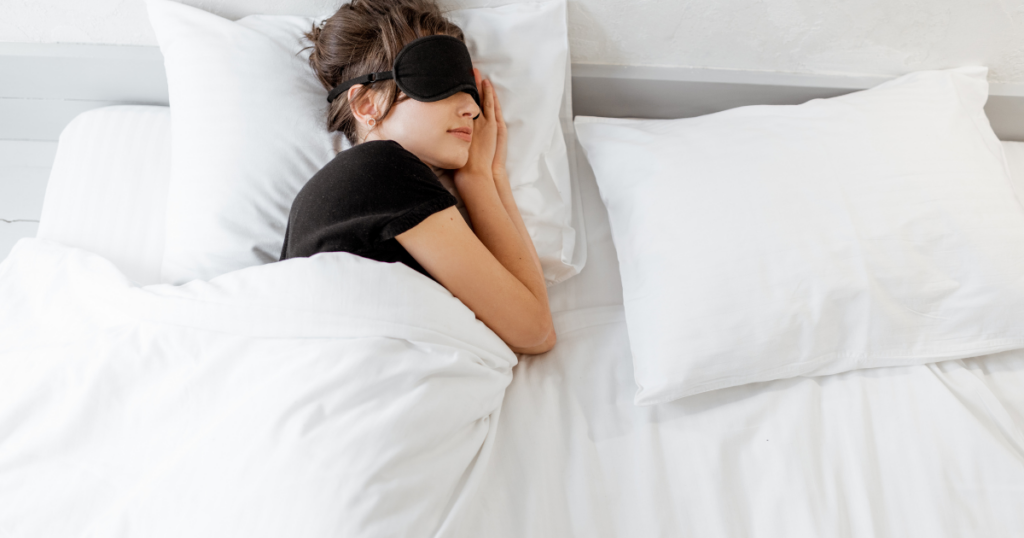
Your body has an internal clock that governs when you feel most alert, when you naturally want to sleep, and how your energy fluctuates throughout the day—this biological preference is called your sleep chronotype. Your sleep chronotype is hardwired into your genetics and influences your circadian rhythm, the 24-hour cycle that regulates hormone production, body temperature, metabolism, and brain function. When your daily schedule aligns with your natural sleep pattern, you experience better mood stability, sharper cognitive performance, and lower stress levels. But when you’re forced to live against your sleep type—waking hours before your body is ready or staying alert when your brain wants to shut down—the consequences extend far beyond feeling tired.
The connection between circadian rhythm and mental health is profound and well-documented in clinical research. Chronic misalignment between your sleep pattern and your daily obligations creates a state called social jet lag, which triggers the same physiological stress response as crossing multiple time zones. This ongoing disruption elevates cortisol levels, impairs emotional regulation, and significantly increases your risk for anxiety, depression, and mood disorders. Understanding your sleep type isn’t just about optimizing productivity or getting better rest—it’s a foundational element of mental wellness that influences how you feel, think, and cope with stress every single day. This article explores the four primary sleep chronotypes, explains how chronotype mismatch creates psychological distress, and offers practical strategies for aligning your schedule with your biology to protect your mental health.
The Four Sleep Chronotypes and Their Mental Health Patterns
Sleep researchers have identified four primary sleep chronotypes, each representing a distinct biological pattern of sleep-wake preferences and energy distribution throughout the day. Lions are early risers who wake naturally before dawn and experience peak energy in the morning hours, while Bears follow a solar schedule that aligns closely with traditional daylight hours. Wolves are natural night owls whose brains don’t fully activate until late morning or early afternoon, reaching peak creativity and cognitive performance in the evening and struggling with early morning obligations. Dolphins, the rarest sleep pattern, are light sleepers with irregular sleep patterns, high anxiety sensitivity, and difficulty both falling asleep and staying asleep throughout the night.
These sleep personality types don’t just determine when you sleep—they create distinct patterns in mood regulation, stress response, and mental health vulnerability. Lions tend to experience morning optimism and high motivation but may struggle with evening social obligations and experience mood dips as the day progresses. Bears generally maintain stable mood patterns when they can follow natural light-dark cycles, but they’re vulnerable to depression and anxiety when work schedules disrupt their solar alignment. Wolves face the highest risk for chronotype mismatch anxiety and depression because modern society is structured around early schedules that conflict with their biology, forcing them into chronic sleep deprivation and circadian disruption. Dolphins often experience heightened anxiety, perfectionism, and insomnia, with their irregular sleep patterns creating a feedback loop that exacerbates mental health symptoms. Each sleep type influences cortisol rhythms, neurotransmitter production, and stress response in unique ways that directly affect emotional well-being and psychological resilience.
| Chronotype | Natural Wake Time | Peak Energy Window | Common Mental Health Pattern |
|---|---|---|---|
| Lion | 5:00–6:00 AM | Morning to early afternoon | Morning optimism, evening fatigue, and irritability |
| Bear | 7:00–8:00 AM | Mid-morning through late afternoon | Stable mood when aligned with sunlight |
| Wolf | 9:00 AM or later | Late afternoon through evening | Morning brain fog, anxiety from forced early schedules |
| Dolphin | Variable, often with difficulty | Mid-morning (after initial fog clears) | Chronic anxiety, insomnia, hypervigilance |
Why Chronotype Mismatch Creates Anxiety, Depression, and Burnout
When your daily schedule conflicts with your natural sleep chronotype, your body experiences a form of chronic stress that researchers call social jet lag. For Wolves and late-chronotype individuals, being required to function at 8:00 AM when their brain doesn’t reach full alertness until 10:00 or 11:00 AM creates a state of perpetual sleep deprivation and circadian misalignment. This chronic disruption interferes with the production and regulation of serotonin, dopamine, and other neurotransmitters that stabilize mood and emotional response. Your body also produces cortisol at the wrong times—flooding your system with stress signals when you should be calm and leaving you depleted when you need energy. Over weeks and months, this pattern creates the biological conditions for anxiety disorders, major depression, and emotional burnout. The physiological toll of chronotype mismatch mirrors the effects of crossing multiple time zones repeatedly, except it happens every single weekday without recovery.
The chronotype and depression connection is particularly strong among night owls who are forced into early-morning schedules without adequate sleep or recovery time. Studies show that Wolves experience significantly higher rates of depression, anxiety, and substance use compared to other sleep type categories, not because of any inherent psychological weakness, but because modern work and school schedules are fundamentally incompatible with their biology. When you consistently override your sleep chronotype, your brain’s prefrontal cortex becomes impaired in the same way it does during acute sleep deprivation. This explains why chronotype mismatch anxiety often manifests as irritability, emotional reactivity, difficulty concentrating, and a pervasive sense of being overwhelmed by tasks that should feel manageable. The psychological toll compounds over time, creating a feedback loop where poor sleep worsens mental health, which in turn makes it harder to maintain healthy sleep patterns.
- Disrupted serotonin production: Chronotype misalignment interferes with the brain’s ability to produce and regulate serotonin, the neurotransmitter most closely linked to mood stability and depression prevention.
- Elevated baseline cortisol: Forcing yourself awake against your natural sleep pattern keeps cortisol levels chronically elevated, creating a state of low-grade stress that wears down mental resilience over time.
- Impaired emotional processing: Sleep deprivation from chronotype mismatch reduces activity in the prefrontal cortex while increasing reactivity in the amygdala, making you more emotionally volatile and less able to regulate negative feelings.
- Increased inflammation markers: Social jet lag and chronotype mismatch trigger systemic inflammation, which research increasingly links to depression, anxiety, and other mood disorders.
How to Identify Your Sleep Chronotype and Find Your Sleep Schedule
Discovering your natural sleep pattern doesn’t require expensive testing or complex analysis—it simply requires honest observation of your body’s preferences when external obligations aren’t forcing you into a specific schedule. Notice what time you naturally wake up on vacation or weekends when you don’t set an alarm, when you feel most mentally sharp and creative during the day, and when you start feeling genuinely sleepy in the evening. If you wake naturally before 6:00 AM and feel ready for bed by 9:00 PM, you’re likely a Lion, while a roughly 7:00 AM to 11:00 PM pattern indicates you’re probably a Bear. If you struggle to wake before 9:00 AM and don’t hit your cognitive stride until the afternoon or evening, you’re a Wolf, and irregular sleep patterns with frequent nighttime waking suggest you may be a Dolphin. You may wonder, “What is my sleep type?” Understanding the answer helps you recognize that your struggles with morning productivity or evening social obligations aren’t character flaws—they’re biological realities that deserve accommodation and respect.
Once you’ve identified your sleep type, the goal is to align as many aspects of your schedule as possible with your natural rhythms while implementing harm-reduction strategies for the obligations you can’t change. Lions should schedule important meetings, creative work, and exercise in the morning hours when their energy peaks, and protect their evening wind-down time by avoiding stimulating activities after 7:00 PM. Bears benefit from maintaining consistent wake and sleep times that follow natural light exposure, taking breaks during their mid-afternoon energy dip, and prioritizing outdoor time to reinforce their solar alignment. Wolves need to advocate for flexible work schedules when possible and schedule demanding cognitive tasks for afternoon and evening hours — this approach represents the best sleep schedule for night owls. Dolphins require extra attention to sleep hygiene, stress management, and often benefit from cognitive behavioral therapy for insomnia alongside chronotype-aware scheduling. When full alignment isn’t possible—and for most people with traditional jobs, it isn’t—focus on answering ‘how to find your sleep schedule?’ by maximizing alignment on weekends, negotiating flexible start times, and recognizing that your mental health struggles may be rooted in chronotype mismatch rather than personal inadequacy.
| Chronotype | Best Time for Exercise | Optimal Work Hours | Sleep Hygiene Priority |
|---|---|---|---|
| Lion | Early morning (6:00–8:00 AM) | 8:00 AM–4:00 PM | Protect evening wind-down, dim lights after 8:00 PM |
| Bear | Mid-morning or early evening | 9:00 AM–5:00 PM | Consistent wake time, maximize natural light exposure |
| Wolf | Late afternoon or evening | 12:00 PM–8:00 PM (if possible) | Avoid early alarms when possible, use evening bright light |
| Dolphin | Mid-morning (after initial fog) | 10:00 AM–6:00 PM | Strict bedtime routine, anxiety management before sleep |
Realigning Your Sleep Schedule With Professional Support at Shine Mental Health
Recognizing your sleep chronotype and understanding how chronotype mismatch affects your mental health is an important first step, but making sustainable changes often requires professional support, especially when anxiety, depression, or sleep disorders have already taken hold. At Shine Mental Health, our clinicians understand that sleep problems are rarely just about sleep—they’re deeply intertwined with mood regulation, stress response, trauma history, and overall mental wellness. We work with clients to identify their natural sleep pattern, assess how their current schedule may be contributing to psychological distress, and develop personalized strategies that honor their biology while addressing the mental health symptoms that chronotype mismatch has created. Our approach recognizes that you can’t always change your work hours or family obligations, but you can learn to minimize harm, advocate for your needs, and build resilience against the mental health consequences of living against your natural rhythms.
FAQs About Sleep Chronotypes and Mental Health
What is my sleep chronotype and how do I find it?
Your sleep chronotype is your natural biological preference for when you sleep and when you feel most alert, determined largely by genetics and circadian rhythm patterns. You can identify your sleep pattern by observing when you naturally wake without an alarm on free days, when you feel most mentally sharp during the day, and when you genuinely feel sleepy at night without forcing it.
Can being a night owl cause depression?
Being a Wolf sleep chronotype (night owl) doesn’t inherently cause depression, but the chronic mismatch between your natural late-night biology and early-morning social obligations creates social jet lag that significantly increases depression risk. The chronotype and depression connection emerges from forced circadian misalignment, not from the chronotype itself.
Why am I tired all day but awake at night?
If you’re tired all day but awake at night, you likely have a Wolf sleep chronotype with a delayed circadian rhythm phase that shifts your natural sleep-wake cycle several hours later than conventional schedules. This creates chronic sleep deprivation when you’re forced to wake early, leaving you exhausted during the day while your brain becomes alert in the evening when it’s biologically programmed to be active.
What is chronotype mismatch anxiety?
Chronotype mismatch anxiety is the psychological distress that results from chronic misalignment between your natural sleep pattern and your daily schedule obligations. This ongoing circadian disruption triggers elevated cortisol, impaired emotional regulation, and a persistent sense of stress and overwhelm that manifests as anxiety symptoms.
How does circadian rhythm affect mental health?
Your circadian rhythm regulates the production and timing of neurotransmitters like serotonin and dopamine, controls cortisol release patterns, and influences brain regions responsible for emotional processing and stress response. When circadian rhythm and mental health become misaligned through chronotype mismatch or irregular sleep, it disrupts these systems and significantly increases vulnerability to depression, anxiety, and mood instability.