




Reading Time: 5 mins
The process of pregnancy is stressful, and it is even more so when you are struggling with your own psychological condition while you are growing a child. The most prescribed antidepressant is Zoloft (sertraline) because most women during pregnancy are on medication to overcome depression and mood swings.
This guide discusses the safety of Zoloft in pregnancy, the studies that support its usage, and the guidelines of the medical specialists on the usage of Zoloft during pregnancy.
Whether you are already on sertraline or have to consider using sertraline, this blog will help you understand the facts, dangers, and support you can get.
Understanding Zoloft Use During Pregnancy
Zoloft is a selective serotonin reuptake inhibitor (SSRI) employed in the regulation of serotonin levels. It is usually prescribed for depression, anxiety, PTSD, and panic disorders.
Mental health symptoms can intensify during pregnancy, as hormonal fluctuations, lifestyle changes, and increased stress may exacerbate them. The most frequently asked question that many women ask themselves is whether it is safe to continue the use of Zoloft, or if it is dangerous and needs cessation of the medicine.
Pregnancy is a circumstance that may need special medical care, due to the possibility of mood disorders that are not treated, therefore harming both the mother and the child. Prenatal health can be affected by such problems as sleep issues, appetite swings, or serious depressive symptoms.
According to the National Institutes of Health (NIH), maternal mental health is among the factors that impact fetal development and postpartum recovery.
Can You Take Zoloft While Pregnant?
One of the most frequent issues is the question, Can you take Zoloft while pregnant? Healthcare providers have used Zoloft, in most instances, as one of the less risky antidepressants in pregnancy, as it has undergone extensive research.
Although it is not a totally safe medication, medical experts agree that the advantages usually triumph over the dangers, particularly in people who have moderate to severe depression or anxiety.
Withdrawal and relapse of symptoms, as well as the stress increase caused by abrupt medication withdrawal, can occur, which can be more dangerous to the health of the mother and the fetus.
Zoloft and Pregnancy Safety
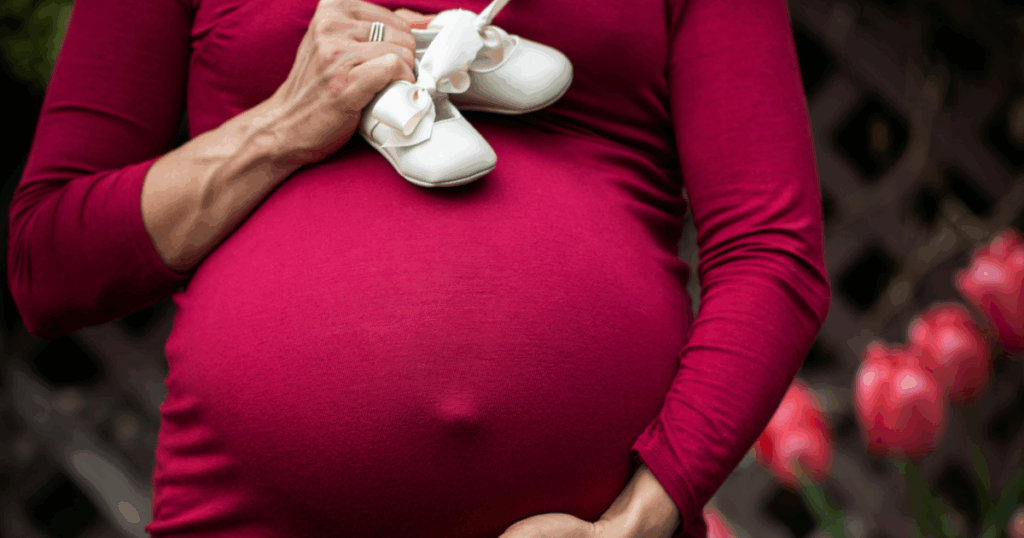
When interpreting the Zoloft pregnancy safety, a person should not forget that there is no medication that is safe during pregnancy. Nonetheless, Zoloft or SSRIs can be considered as one of the most studied psychiatric drugs used by pregnant women, and numerous studies indicate that sertraline has a rather positive safety profile compared to other antidepressants.
The passage of the drug across the placenta is one of the concerns. Although Zoloft does cross the placental barrier, it is actually reported that most of the time it is much lower than the concentration of the mother.
The Centers for Disease Control and Prevention (CDC) reports that untreated depression is at times more perilous than the use of antidepressants under control, which once again illustrates the necessity of a reasonable middle ground.
Antidepressants in Pregnancy: Focus on Zoloft
Of all antidepressants, Zoloft is one that is likely to be selected more often since it is less likely to bring about complications as compared with other SSRIs. Zoloft is better than the use of drugs such as paroxetine, which has been linked to birth defects when administered at an early stage of pregnancy.
To a large number of women, it is not only important to keep their mental states stable, but also to the development of their babies. Depending on the symptoms, the providers might advise the continuation of Zoloft, the increase or decrease of the dosage, or the closer observation of the symptoms during pregnancy.
First Trimester Considerations
The first trimester is a very crucial period of pregnancy, and it is during this period that organs start developing, and the fetus develops at a fast rate. Women using Zoloft during the first trimester of pregnancy could enable them to make the right decisions without unnecessarily causing them any fear or panic.
In the majority of health assessments, the notion of risk of complications is stated as low, but it does not imply that pregnant women should do without consulting a doctor. Early pregnancy management requires frequent check-ins, dosage assessment, and individualized treatment.
Potential Side Effects of Zoloft in Early Pregnancy
Some potential pregnancy Zoloft side effects in the first trimester may include:
- Mild gastrointestinal disturbances.
- Gastric transient modifications.
- Weakness or sleeping problems.
- Uncommonly, anxiety before improvement is rampant.
- Exceptionally low possibility of birth complications, but research indicates that risks are usually minimal.
Evaluating Risks and Medical Guidelines
The medical institutions of the world, among them the American College of Obstetricians and Gynecologists (ACOG), also insist on personalized care in deciding whether to take Zoloft during pregnancy. This is aimed at reducing the risk and sustaining the psychological stability of the mother.
Pregnancy Category of Zoloft and What It Means
The pregnancy category Zoloft belongs to (previously the category C by FDA standards) assists clinicians in realizing the possible dangers. The category system is not used by the FDA, but it is still mentioned by numerous providers. This classification was historically an expression of what is summarized in the following table:
| Term | Meaning |
| Pregnancy Category C | Animal research indicates the possibility of risks, but human research is scarce – the advantages may exceed the risks. |
| Human Risk Data | There is a lack of controlled studies on pregnant women. |
| Clinical Consideration | This is prescribed in cases where the health gain to the mother is found to exceed the risks posed to the fetus. |
Knowledge of this classification will assist pregnant women in discussing with their medical care provider and deciding whether it is necessary to use Zoloft or not.
Evidence and Clinical Research
Research is very important in modern healthcare decisions, particularly in cases of pregnancy. Various Zoloft pregnancy trials have evaluated fetal outcome, development, and health of the neonate. The results mainly indicate that although Zoloft is not purely risk-free, there is a low probability of the occurrence of major complications.
The Mayo Clinic emphasizes the fact that SSRIs such as Zoloft are usually regarded as a first-line intervention in pregnant women due to their safety profile in relation to other medications.
What Zoloft Pregnancy Studies Reveal
Zoloft pregnancy studies indicate that Zoloft is usually less risky than most other antidepressants applied during pregnancy. The findings of research have revealed no evidence that is universally dependable to suggest there was any association between Zoloft and serious congenital impairments, and the risks that are reported are rather low.
Personalized Support at Shine Mental Health
No pregnancy is the same, and neither is the mental health process of any particular person. At Shine Mental Health, clients are provided with individual and caring help in the process of trying different forms of treatment like Zoloft. The team realizes the importance of emotional wellness in relation to pregnancy safety, and they provide evidence-based guidance.
Do you worry about what you can take, how to treat, how to deal with anxiety or depression during pregnancy, or how to make a well-informed and confident choice that would allow you to take good care of your long-term well-being? Then Shine Mental Health may be able to assist you.
Contact Shine Mental Health for professional advice and care.

FAQs
What is the pregnancy category of Zoloft, and what does it mean for expecting mothers?
Zoloft was predetermined as a Category C drug, i.e., animal tests demonstrated possible risks, but there was little human data. Mothers who are pregnant are advised to seek the advice of their providers to determine whether the advantages of taking Zoloft are greater than the risks.
Are there specific risks associated with taking Zoloft during pregnancy?
There is some evidence that there is a minor risk of neonatal adaptation syndrome or minor complications while taking Zoloft during pregnancy, but this is usually infrequent. The majority of the studies indicate that the risks are minimal, and in most cases, untreated depression can be even more worrisome.
How safe is it to take antidepressants like Zoloft while pregnant?
Zoloft is among the frequently prescribed antidepressants in pregnancy due to its positive research record. Although it is not entirely safe, its use has been deemed safe by various medical care providers as long as it is used under medical care.
What are the potential side effects of taking Zoloft during the first trimester of pregnancy?
Some women may experience nausea, appetite changes, fatigue, or anxiety prior to the treatment. Most of the side effects are mild and short-lived, but close follow-ups ensure that the mother and fetus are safe.
What do recent studies say about the safety and effects of using Zoloft in pregnancy?
The existing literature tends to endorse the use of Zoloft as a safe drug to cope with depression and anxiety in pregnancy. Research indicates that there is a low risk of severe complications, particularly in comparison with the risk of untreated mental illnesses.