


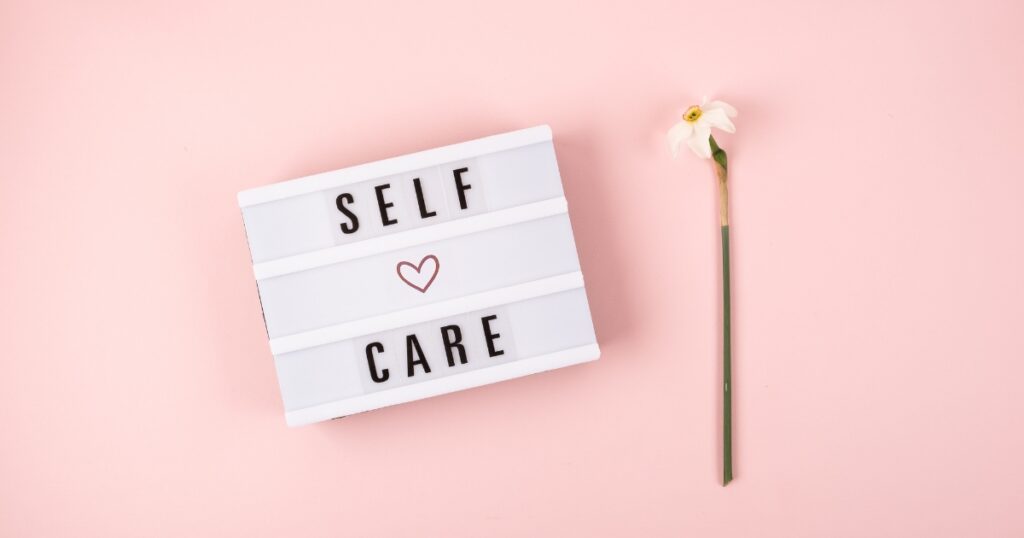
Self-care has become a buzzword in wellness culture, often reduced to face masks and bubble baths. But from a clinical mental health perspective, the self-care definition is far more substantive. It refers to intentional practices that support physical health, emotional regulation, and psychological resilience. Evidence-based self-care encompasses behaviors that help individuals manage stress, prevent burnout, and maintain the capacity to cope with daily challenges. It is not indulgence — it is a foundational component of mental wellness.
In a clinical context, the meaning is specific: self-care refers to intentional practices that work alongside professional treatment, not in place of it. While self-care strategies can reduce symptoms of anxiety and depression, they do not replace therapy or psychiatric care. Instead, these practices work best when integrated into a comprehensive mental health plan. This blog explores the importance of self-care for mental health, the types of self-care activities that make a measurable difference, and when professional support becomes necessary.
The Clinical Definition: What Self-Care Actually Means for Mental Health
The World Health Organization defines self-care as the ability of individuals, families, and communities to promote health, prevent disease, and maintain well-being — a framework that extends in mental health settings to behaviors that regulate mood, reduce distress, and support recovery from conditions like major depressive disorder and generalized anxiety disorder.
Genuine self-care differs sharply from superficial wellness trends. Clinical self-care includes sleep hygiene, regular physical activity, balanced nutrition, social connection, and stress management techniques such as mindfulness or progressive muscle relaxation. These practices have documented effects on neurotransmitter function, cortisol regulation, and emotional processing.
Why is self-care important? It builds resilience before crises occur, creating a foundation that helps individuals manage stress and maintain emotional stability. Individuals who engage in regular self-care report lower baseline anxiety, improved emotional regulation, and greater capacity to handle stressors. However, this approach is preventative and supportive, not curative. When symptoms interfere with work, relationships, or daily functioning, professional intervention is necessary. Self-care creates a foundation; therapy and medication address clinical-level dysfunction.
Five Essential Types of Self-Care Activities You Need to Know
When people ask, “What is self-care in practical terms?” the answer involves five domains, each addressing a distinct aspect of well-being. Physical self-care includes exercise, sleep, nutrition, and medical care. Emotional self-care involves activities that help process feelings, such as journaling, creative expression, or allowing yourself to cry. Social self-care means nurturing relationships and setting boundaries with people who drain your energy.
Practical examples include:
- Physical: Take a brisk 20-minute walk or try a short yoga flow a few times a week to ease muscle tension and support hormone balance
- Emotional: Keep a consistent bedtime with a calming wind-down routine (dim lights, no screens, light stretching) to help regulate mood the next day
- Social: Set up a standing weekly coffee date or phone call with a close friend to stay connected and avoid isolation
- Spiritual: Try a new creative hobby, spend unstructured time outdoors, or sit for a short daily meditation to reconnect with a sense of purpose
- Professional: Pick a firm cutoff time for checking work email and treat weekends as protected, work-free time
- Stress management: When tension spikes, pause for a few rounds of slow, deep breathing or a quick grounding exercise (like naming things you can see, hear, and touch)
They are evidence-based interventions that reduce the physiological and psychological toll of chronic stress and, when practiced consistently, lower the risk of developing anxiety disorders, mood disorders, and stress-related physical conditions.
| Self-Care Domain | Mental Health Impact | Example Practice |
|---|---|---|
| Physical | Regulates mood neurotransmitters and reduces stress hormones | 30 minutes of moderate exercise most days |
| Emotional | Improves distress tolerance and self-awareness | Daily journaling or expressive writing |
| Social | Reduces loneliness and activates reward pathways | Weekly connection with a supportive friend |
| Spiritual | Decreases existential anxiety and fosters purpose | Meditation, prayer, or time in nature |
| Professional | Prevents burnout and preserves cognitive resources | Setting boundaries around work hours |
How to Practice Self-Care Daily Without Overwhelming Your Schedule
If you’re wondering what self-care practices you can actually sustain, start by identifying one practice in each of the five domains and anchoring it to an existing habit. For example, pair deep breathing with your morning coffee, schedule a weekly call with a friend on the same day each week, or commit to turning off work notifications after 6 p.m. Tracking these behaviors — even in a simple checklist — increases adherence and helps you notice patterns between self-care and mood. When distress increases despite consistent self-care, that signal indicates the need for professional evaluation.
Why Self-Care Isn’t a Replacement for Professional Mental Health Support
The distinction between self-care vs therapy is one of the most important concepts in mental health literacy — self-care strategies for stress are effective for managing everyday challenges, mild mood fluctuations, and general wellness, while therapy addresses clinical conditions, trauma, entrenched patterns of thinking, and symptoms that impair functioning. Cognitive-behavioral therapy, dialectical behavior therapy, and other evidence-based modalities provide structured interventions that self-care cannot replicate. Medication management, when appropriate, corrects neurochemical imbalances that lifestyle changes alone cannot resolve.
Red flags that self-care alone is insufficient include persistent sadness lasting more than two weeks, intrusive thoughts, panic attacks, difficulty getting out of bed, withdrawal from relationships, or thoughts of self-harm. If you or someone you know is in crisis, call or text 988 to reach the Suicide & Crisis Lifeline, available 24/7. If self-care practices provide no relief, or if symptoms worsen, professional help is necessary. Mental health conditions are medical conditions, and seeking help is a sign of self-awareness, not weakness.
Self-care complements therapy by reinforcing skills learned in sessions and maintaining progress between appointments. Therapists often assign homework — such as practicing grounding techniques, maintaining a thought record, or scheduling pleasurable activities — that clarifies how self-care supports your specific treatment goals and extends therapeutic work into daily life. The benefits of self-care are maximized when integrated into a treatment plan, not used as a substitute for one.
| Scenario | Self-Care Appropriate? | Professional Help Needed? |
|---|---|---|
| Feeling stressed after a busy week | Yes — rest, exercise, social connection | No, unless stress persists despite self-care |
| Persistent sadness for over two weeks | Yes, but not sufficient alone | Yes — evaluation for depression indicated |
| Panic attacks or intrusive thoughts | Supportive, but not primary intervention | Yes — therapy and possible medication |
| Difficulty sleeping due to work stress | Yes — sleep hygiene and stress reduction | If insomnia persists beyond two weeks |

Shine Bright with Support That Works at Shine Mental Health
Many people ask what self-care is and why it matters — understanding both questions is the first step. Implementing it consistently, especially when managing anxiety, depression, or trauma, often requires guidance. Shine Mental Health integrates evidence-based self-care practices into every treatment plan, helping clients build sustainable routines that support long-term recovery. Our clinicians work with you to identify which types of self-care fit your life, address barriers that prevent consistency, and recognize when symptoms require more intensive intervention. Whether you are navigating a difficult season or managing a diagnosed condition, professional support enhances the benefits of self-care and ensures you are not facing challenges alone. Reach out today to schedule a consultation and take the next step toward lasting mental wellness.
FAQs
These frequently asked questions address common concerns about integrating self-care into daily life and knowing when professional support is necessary.
1. What is the difference between self-care and being selfish?
At its core, self-care is about meeting your own needs so you can function effectively, while selfishness disregards the needs of others. Taking time to rest, exercise, or connect with friends is not selfish — it is necessary for maintaining the energy and emotional capacity to show up for the people and responsibilities in your life.
2. How often should I practice self-care activities?
Daily self-care is ideal, even in small doses. Consistency matters more than duration — five minutes of deep breathing each morning or a 10-minute walk at lunch provides more benefit than sporadic, intensive efforts. Build self-care into your routine, so it becomes automatic, not something you do only when you are already overwhelmed.
3. Can self-care help with anxiety and depression?
Self-care can reduce symptoms of mild to moderate anxiety and depression by supporting emotional regulation, improving sleep, and increasing social connection. However, it is not a substitute for therapy or medication when symptoms are severe or persistent. Professional treatment addresses the underlying causes and provides structured interventions that self-care alone cannot.
4. What are the most effective self-care strategies for stress?
Evidence-based strategies include regular physical activity, mindfulness meditation, adequate sleep, and maintaining social connections. These practices reduce cortisol, improve mood regulation, and build resilience. The most effective strategy is the one you can sustain — choose activities that fit your schedule and preferences, and practice them consistently.
5. When should I seek professional help instead of relying on self-care?
Seek professional help if you experience persistent sadness or anxiety lasting more than two weeks, thoughts of self-harm, panic attacks, or symptoms that interfere with work, relationships, or daily activities. Self-care supports wellness, but clinical conditions require diagnosis and treatment from a licensed mental health professional.