


For many women, the experience of borderline personality disorder (BPD) feels like living in a constant emotional storm—intense feelings that shift without warning, relationships that feel both essential and terrifying, and a persistent sense of not knowing who you really are beneath all the reactions. From the outside, these internal struggles might be dismissed as “being too sensitive,” “dramatic,” or “just anxious,” which is exactly why so many women with BPD go years without proper diagnosis or treatment. Understanding how BPD feels for women requires looking beyond textbook descriptions, shaped by how women are socialized to express—or more often, suppress—their emotional pain. Understanding these gender-specific patterns isn’t just about clinical accuracy; it’s about finally getting the right help after years of being told your suffering isn’t real or significant enough to matter.
The gap between how BPD feels on the inside and how it’s perceived from the outside creates a dangerous misdiagnosis cycle that leaves countless women struggling alone. Women with BPD are frequently mislabeled with depression, anxiety, or bipolar disorder because their symptoms don’t match the stereotypical “acting out” behaviors often associated with the condition in popular media. The signs of BPD in women tend to be more internalized—self-harm instead of outward aggression, people-pleasing instead of obvious manipulation, and chronic emptiness masked by overachievement. Recognizing what the signs of BPD actually look like in women’s lives is the first step toward breaking this cycle and accessing care that addresses the root of the struggle.

Why the Signs of BPD in Females Look Different (And Why They’re So Often Missed)
The signs of BPD in females are frequently masked by socialization patterns that teach women from childhood to internalize distress rather than express it outwardly. While men with BPD may exhibit more externalizing behaviors like anger outbursts or physical aggression, women are more likely to direct their emotional pain inward through self-criticism, eating disorders, or self-harm that remains hidden. When a woman experiences the intense emotional dysregulation characteristic of BPD, she’s often already been conditioned to suppress, apologize for, or rationalize her feelings rather than acknowledge them as valid. The result is a presentation that looks more like anxiety or depression to clinicians who aren’t specifically trained to recognize the signs of BPD in women, leading to treatment approaches that address surface symptoms without touching the underlying emotional instability. This difference in BPD symptoms in women vs men creates significant diagnostic challenges that leave many women without proper care for years.
The “dramatic” or “hysterical” labeling that has historically been applied to women expressing emotional distress creates another layer of diagnostic invisibility for the signs of BPD in females. When a woman describes intense fear of abandonment, rapidly shifting emotions, or unstable relationships, these experiences are often dismissed as personality traits or attention-seeking behavior rather than recognized as clinical symptoms requiring treatment. This dismissal is particularly damaging because it reinforces the core BPD fear that one’s emotional reality is invalid or too much for others to handle. Additionally, hormonal influences can intensify the signs of BPD, making it difficult to distinguish between cyclical mood changes and the persistent emotional dysregulation that defines borderline personality disorder. Many women report that their symptoms worsen during certain phases of their menstrual cycle, but this pattern is rarely explored in standard psychiatric assessments.
| Symptom Presentation | Typical in Women | Typical in Men |
|---|---|---|
| Emotional Expression | Internalized (self-blame, withdrawal) | Externalized (anger, aggression) |
| Self-Harm Patterns | Self-harm behaviors, eating disorders, and hidden behaviors | Substance abuse, risk-taking, and visible acting out |
| Relationship Dynamics | People-pleasing, fear-based attachment | Control-seeking, avoidant patterns |
| Clinical Perception | Often misdiagnosed as anxiety/depression | More likely to receive an accurate BPD diagnosis |
| Help-Seeking Behavior | Frequent but often invalidated | Less frequent, crisis-driven |
The Core Signs of BPD in Females: What You’re Actually Experiencing
Recognizing the signs of BPD in females requires understanding that emotional dysregulation in females manifests as intense, rapidly shifting moods that feel completely out of proportion to the triggering event—or sometimes appear without any clear trigger at all. A minor perceived slight from a friend can spiral into hours of overwhelming sadness, rage, or panic that feels impossible to control or explain to others. Women often describe feeling like they’re constantly on an emotional rollercoaster, where moments of happiness are fragile and fleeting, while negative emotions feel all-consuming and permanent. The fear of abandonment that characterizes the signs of BPD in women isn’t just worry about being left; it’s a visceral terror that can be triggered by something as small as a delayed text response or a change in someone’s tone of voice.
Female BPD and relationship patterns typically follow a recognizable but painful cycle of idealization and devaluation that leaves both the person with BPD and their loved ones confused and exhausted. In the idealization phase, a new friend, romantic partner, or even therapist might be seen as perfect. Many women ask, ‘What does undiagnosed BPD look like?’ The answer often involves chronic emptiness that no amount of connection or achievement can fill. But when inevitable disappointment occurs—because no one can live up to the idealized image—the perception can flip dramatically to seeing that same person as all-bad, uncaring, or intentionally hurtful. Women with the signs of BPD often struggle with unstable self-image as well, shifting their identity, values, career goals, or even personal style based on who they’re closest to at the moment. This identity instability creates a persistent sense of not knowing who you really are, which many women describe as feeling hollow or empty even when surrounded by people. If you’re in crisis or experiencing thoughts of self-harm, please call or text 988 (Suicide & Crisis Lifeline) for immediate, confidential support.
- Checking your phone obsessively when someone doesn’t respond immediately, convinced they’re angry or done with you, even though logically you know they’re probably just busy.
- Feeling intense rage at a partner for a minor mistake, then feeling overwhelming guilt and fear that you’ve ruined the relationship, cycling between these extremes within hours.
- Experiencing chronic emptiness that no amount of social activity, achievement, or distraction can fill—a persistent feeling that something fundamental is missing inside you.
- Self-harming in private as a way to manage overwhelming emotions, then hiding the evidence and feeling deep shame about needing this coping mechanism.
The BPD-Trauma Connection: Why More Women Are Diagnosed and What That Reveals
Research consistently shows that childhood emotional invalidation, neglect, and sexual trauma are significant risk factors for developing BPD, and these experiences disproportionately affect girls and women. When a child’s emotional experiences are repeatedly dismissed, minimized, or met with punishment rather than validation, they never learn healthy emotional regulation skills or develop a stable sense of self-worth. For many women, the signs of BPD represent an adaptive response to an environment where their feelings were treated as wrong, excessive, or unacceptable. Sexual trauma and abuse, which occur at higher rates in girls, create additional layers of emotional dysregulation, boundary confusion, and relationship difficulties that mirror the core signs of BPD. Understanding this trauma connection is critical because it reframes the signs of BPD in women not as a character flaw or personality defect, but as a complex response to overwhelming experiences that exceeded a person’s capacity to cope at the time they occurred.

This is why trauma-informed assessment is essential for accurate diagnosis and why BPD misdiagnosis in women happens so frequently when clinicians focus only on current symptoms without exploring developmental history. A woman presenting with depression and anxiety might actually be experiencing the chronic emptiness and emotional instability that characterize the signs of BPD, but without asking about childhood emotional environment and trauma history, the underlying condition remains hidden. The question of why is BPD more common in females isn’t fully answered by biology alone—it’s also about diagnostic patterns, trauma prevalence, and the ways women are taught to process and express emotional pain. When the signs of BPD in women are understood through a trauma-informed lens, treatment shifts from trying to “fix” problematic behaviors to helping women develop the emotional regulation skills they were never taught. This approach validates how BPD feels for women while providing concrete tools for building a coherent sense of identity separate from their survival responses.
| Trauma Type | Impact on BPD Development | Resulting BPD Symptoms |
|---|---|---|
| Emotional Invalidation | Impairs emotional regulation skill development | Intense mood swings, difficulty naming feelings |
| Childhood Neglect | Disrupts attachment security and self-worth | Fear of abandonment, chronic emptiness |
| Sexual Abuse | Creates boundary confusion and dissociation | Identity instability, self-harm, relationship chaos |
| Inconsistent Caregiving | Prevents stable self-concept formation | Splitting, unstable relationships, identity shifts |
| Emotional Abuse | Internalizes shame and self-blame patterns | Self-destructive behavior, negative self-image |
Getting the Right Diagnosis and Treatment at Shine Mental Health
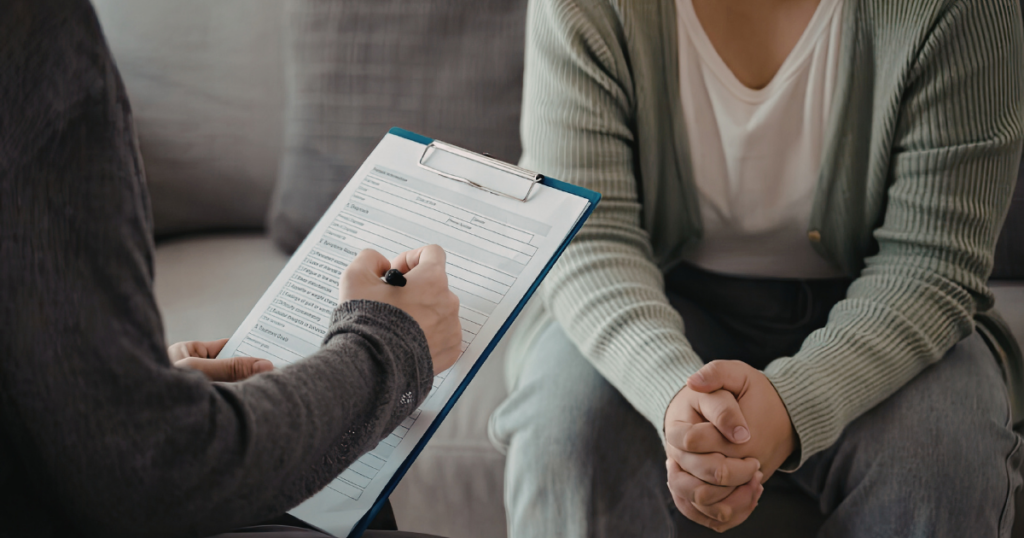
Proper assessment for the signs of BPD in females requires more than a single appointment or a symptom checklist—it demands a comprehensive evaluation that explores your emotional patterns, relationship history, trauma background, and how symptoms have impacted your daily functioning over time. At Shine Mental Health, clinicians use structured diagnostic interviews specifically designed to identify the signs of BPD in females, distinguishing between BPD and commonly confused conditions like bipolar disorder, complex PTSD, or severe anxiety disorders. This thorough approach matters because accurate diagnosis is the foundation for effective treatment, and specialized care for BPD looks fundamentally different from standard talk therapy. Understanding how to know if I have borderline personality disorder begins with this kind of comprehensive, trauma-informed evaluation that takes your full history into account.
The gold standard treatment for borderline personality disorder is Dialectical Behavior Therapy (DBT), an evidence-based approach that teaches concrete skills in four key areas: mindfulness, distress tolerance, emotion regulation, and interpersonal effectiveness. These aren’t abstract concepts—they’re practical tools that help you manage intense emotions without self-destructive behaviors, navigate relationships without the constant fear of abandonment, and build a stable sense of self that doesn’t shift based on external circumstances. Women who complete comprehensive DBT programs report significant reductions in self-harm, suicidal ideation, emotional instability, and relationship conflict, along with improvements in overall quality of life and sense of identity. Shine Mental Health offers a trauma-informed, female-centered approach that recognizes the specific challenges you face and addresses the signs of BPD in females with compassion and clinical expertise. Treatment here isn’t about changing who you are; it’s about giving you the skills to manage the signs of BPD in women so that your emotions inform your life rather than control it. If you recognize the signs of BPD described throughout this article, reaching out for a professional assessment is an act of self-compassion, not weakness, and it opens the door to a life where emotional intensity becomes a source of depth rather than destruction.
FAQs About BPD in Females
How is BPD different in women compared to men?
Women with BPD tend to internalize their emotional distress through self-harm, eating disorders, and self-blame, while men more often externalize through anger, aggression, and substance abuse. These differences in the signs of BPD in females stem largely from socialization patterns that teach women to suppress outward expressions of anger or conflict, leading to symptoms that are more hidden and frequently misdiagnosed as anxiety or depression.
Can BPD be misdiagnosed as anxiety or depression in women?
Yes, BPD misdiagnosis in women is extremely common because the internalized presentation of symptoms—chronic sadness, worry, self-criticism—overlaps significantly with depression and anxiety disorders. The key difference is the pattern of unstable relationships, identity disturbance, and intense fear of abandonment that characterize the signs of BPD in females but aren’t central features of mood or anxiety disorders alone.
What does undiagnosed BPD look like in everyday life for women?
Undiagnosed BPD in women often manifests as a pattern of intense but unstable relationships, chronic feelings of emptiness despite external success, impulsive behaviors that provide temporary relief from emotional pain, and a shifting sense of identity that changes based on who you’re closest to at the moment. Many women describe feeling like they’re constantly in emotional crisis while appearing completely functional to the outside world, which is one of the most common signs of BPD in females that goes unrecognized.
Is BPD more common in females, and if so, why?
BPD is diagnosed more frequently in women, with some estimates suggesting a 3:1 female-to-male ratio, though this may reflect diagnostic bias rather than true prevalence differences. Factors contributing to higher diagnosis rates in women include greater exposure to childhood sexual trauma, socialization patterns that create internalized symptoms more recognizable to clinicians, and possibly hormonal influences on emotional regulation.
What should I do if I recognize these signs in myself?
If you identify with the signs of BPD in females described here, the most important step is seeking assessment from a mental health professional experienced in personality disorders, preferably someone trained in trauma-informed care and DBT. Early, accurate diagnosis and specialized treatment significantly improve outcomes, and recognizing your symptoms is a sign of self-awareness and strength, not confirmation that something is fundamentally wrong with you as a person.