



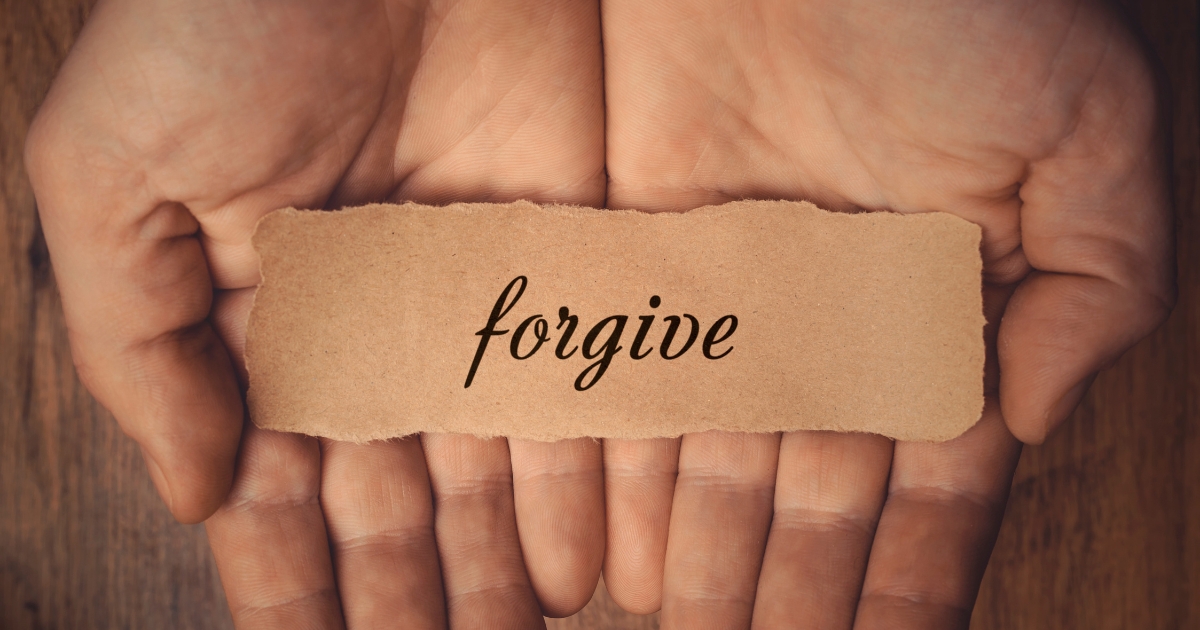
Shame and guilt are two of the most corrosive emotions in mental health recovery. They keep people trapped in cycles of self-punishment, replaying past mistakes on an endless loop and blocking the path to genuine healing. For individuals navigating addiction treatment, trauma recovery, or mental health challenges, the inability to let go of past actions often becomes a barrier as significant as the original condition itself. This process is not about excusing harmful behavior or pretending mistakes never happened — it is a clinically supported process that allows individuals to acknowledge what occurred, take responsibility where appropriate, and release the emotional weight that prevents forward movement.
Research consistently shows that people who practice self-forgiveness experience significantly lower rates of depression and anxiety, improved relationships, and better treatment outcomes. In recovery settings, the ability to forgive yourself after relapse can mean the difference between returning to treatment and spiraling deeper into substance use. Yet despite its clear benefits, this process remains one of the hardest psychological tasks many people face. Understanding why this process is so difficult — and learning evidence-based steps to work through it — can transform how individuals relate to their past and rebuild their sense of self-worth.
Why Self-Forgiveness Is Essential for Mental Health Recovery
Chronic shame and guilt trigger measurable changes in the brain and body. Neuroimaging studies reveal that shame activates the same neural circuits associated with physical pain. When shame becomes a constant companion, it distorts self-perception and reinforces the belief that change is impossible.
Breaking the Shame-Relapse Cycle
In addiction recovery, the stakes are particularly high. The shame-relapse cycle is well documented: individuals use substances to numb guilt about past behavior, then feel additional shame about the relapse itself, which drives further substance use. Breaking this cycle requires more than abstinence — it demands a fundamental shift in how people relate to their mistakes. Self-compassion practices lay the groundwork for this shift by teaching individuals to treat themselves with the same kindness they would offer a struggling friend. This approach reduces the emotional intensity that often triggers relapse and creates space for the honest self-reflection that self-forgiveness requires. Forgiving yourself after relapse is not a luxury or a sign of weakness — it is a clinical necessity that allows individuals to return to treatment without the additional burden of shame that often drives continued substance use.
Treatment outcomes improve significantly when self-forgiveness is integrated into therapy. When professional support helps, symptoms that once felt insurmountable become manageable challenges rather than permanent character flaws.
The Science-Backed Steps to Forgive Yourself for Past Mistakes
Psychological research has identified a clear framework for how to forgive yourself for past mistakes. This process is not linear, but each step builds on the previous one to create lasting change. The self-forgiveness framework begins with acknowledgment, moves through responsibility and emotional processing, and concludes with a commitment to different future behavior. Unlike vague advice to “let it go,” this approach provides concrete actions grounded in cognitive-behavioral therapy, acceptance and commitment therapy, and trauma-informed care.
A Framework for Lasting Change
- Acknowledge the specific actions or decisions that require forgiveness, without minimizing or exaggerating what occurred. Write down exactly what happened, when it happened, and who was affected.
- Accept responsibility for your role in the situation while recognizing any contributing factors beyond your control, such as untreated mental illness, active addiction, or trauma responses that impaired judgment at the time.
- Experience the full range of emotions connected to the event — guilt, shame, grief, anger — in a safe therapeutic setting where these feelings can be processed rather than suppressed or acted upon.
- Make amends when possible and appropriate, understanding that some situations do not allow for direct repair and that your healing does not depend on others’ willingness to accept your apology.
- Commit to changed behavior moving forward, identifying specific skills, supports, or treatment interventions that reduce the likelihood of repeating the same patterns.
- Practice self-compassion as an ongoing discipline, recognizing that setbacks are part of recovery and that one mistake does not erase all progress made.
| Self-Forgiveness Stage | Clinical Focus | Common Challenges |
|---|---|---|
| Acknowledgment | Facing reality without distortion | Denial, minimization, and catastrophizing |
| Responsibility | Balancing accountability with context | All-or-nothing thinking, victim mentality |
| Emotional Processing | Tolerating difficult feelings safely | Avoidance, emotional flooding, dissociation |
| Behavioral Change | Building new coping skills | Relapse, skill deficits, lack of support |
Overcoming the Barriers That Make Self-Forgiveness So Hard
Many people struggle with the question “Why is self-forgiveness so hard, even when they intellectually understand its importance?” Psychological research points to several overlapping factors. Perfectionistic thinking creates unrealistic standards where any mistake feels catastrophic. Trauma history — particularly childhood abuse or neglect — often instills the belief that you are fundamentally unworthy of compassion.
Overcoming shame in recovery requires targeted therapeutic interventions. Cognitive processing therapy helps individuals identify and challenge the distorted thoughts that maintain shame, such as “I am a bad person” versus “I made a bad choice.” Eye movement desensitization and reprocessing (EMDR) can process traumatic memories that fuel ongoing self-blame.
Self-forgiveness exercises provide practical tools for daily use between therapy sessions. One effective technique involves writing a letter to yourself from the perspective of a compassionate observer — someone who sees your whole story, not just your worst moments. Another approach uses guided imagery to visualize placing the burden of shame down and walking away from it, reinforcing the idea that you are not your past. These exercises work best when practiced consistently over time.
| Barrier Type | Therapeutic Approach |
|---|---|
| Perfectionism and rigid self-standards | Cognitive restructuring, self-compassion training |
| Trauma-rooted shame and worthlessness beliefs | EMDR, trauma-focused CBT, somatic therapy |
| Cultural or religious guilt messaging | Values clarification, narrative therapy |
| Fear of repeating past mistakes | Relapse prevention planning, skills training |
| Belief that suffering is deserved punishment | Acceptance and commitment therapy, meaning-making work |
Professional support becomes necessary when shame is so deeply entrenched that it interferes with daily functioning or when attempts at self-forgiveness trigger overwhelming distress. If you find yourself unable to complete the steps to forgive yourself outlined above without becoming flooded with emotion, dissociating, or turning to substances, that is a clear signal that the work requires clinical guidance.

Shine a Light on Your Path Forward at Shine Mental Health
Letting go of guilt and shame often requires more than willpower or self-help strategies — it demands the kind of compassionate, evidence-based care that addresses the root causes of self-blame. Shine Mental Health specializes in helping individuals work through the complex emotions that accompany mental health challenges and addiction recovery. Our trauma-informed clinicians understand that shame is not a character flaw but a treatable symptom. Whether you are struggling with the aftermath of relapse, processing past trauma or simply cannot seem to move beyond mistakes that haunt you, our team provides the support and structure needed to make real progress. Contact Shine Mental Health today to learn how our programs can help you build a future grounded in hope rather than shame.
FAQs
These questions address common concerns about the self-forgiveness process and how it applies to mental health and addiction recovery.
1. How do you forgive yourself for past mistakes that hurt others?
Start by making amends when it is safe and appropriate to do so, understanding that the other person may not be ready to accept your apology and that their response does not determine your ability to heal. The work of self-forgiveness focuses on taking responsibility for your actions, committing to changed behavior, and recognizing that you are not the same person you were when the harm occurred.
2. Why is self-forgiveness so hard for people in recovery?
Addiction alters brain chemistry in ways that intensify shame and reduce access to self-compassion. Additionally, many individuals in recovery carry deep guilt about harm caused during active use, and the fear of relapse makes it feel dangerous to let go of shame, as if punishment is the only thing keeping them accountable.
3. What is the difference between self-forgiveness and self-compassion?
Self-compassion is the ongoing practice of treating yourself with kindness during difficult moments, setbacks, and everyday struggles. Self-forgiveness is the specific process of releasing guilt and shame about particular past actions or decisions, often requiring deeper therapeutic work to address the beliefs that keep you stuck in self-blame.
4. How long does it take to truly forgive yourself?
The timeline varies widely depending on the severity of the shame, the presence of trauma or mental health conditions, and whether you are working with a therapist trained in these issues. Some people experience relief within weeks, while others require months or years of therapeutic work.
5. Can you forgive yourself without making amends to others?
Yes, particularly in situations where making amends would cause additional harm, where the other person is no longer alive or reachable, or where contact would jeopardize your safety or recovery. Internal self-forgiveness work — processing the emotions, taking responsibility, and committing to changed behavior — remains valid and healing even when external repair is not possible.