



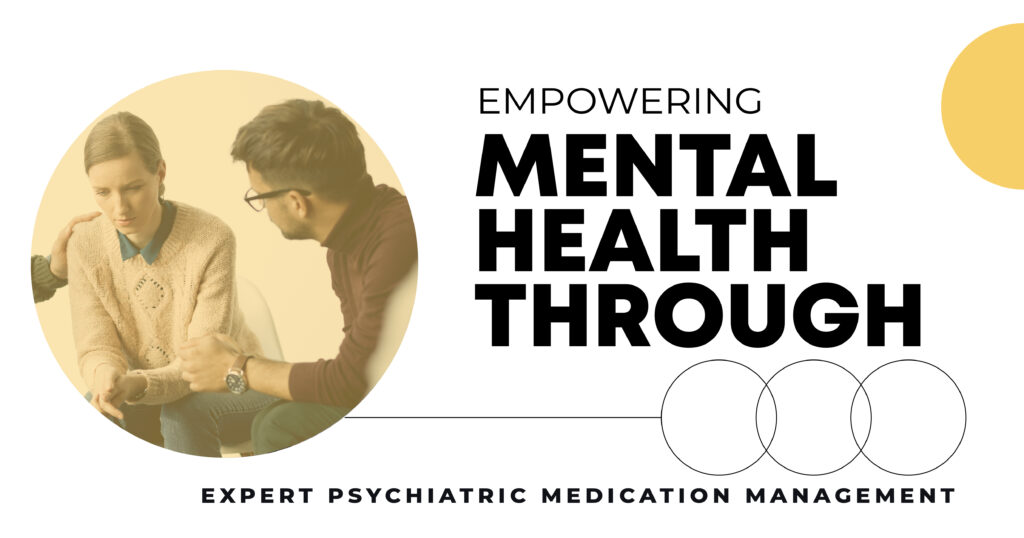
Treatment of mental health in the past has evolved significantly, and pill taking has become a significant concern in ensuring that people reestablish their usual state, clarity, and emotional stability.
The question that is frequently asked by most people seeking some kind of help is, Can a psychiatrist prescribe medication in the course of mental health care? Yes – and such authority is the secret of successful psychiatric treatment.
With experience, compassion, and evidence-based practices, psychiatric medication management can be life-altering. At Shine Mental Health, specialized treatment guarantees that medications are consumed in a safe and deliberate manner as a component of an overall healing strategy.
Understanding Psychiatric Medication Management
The management of psychiatric medication is a dynamic and continuous process that is centered on the assessment, prescription, monitoring, and modification of medicines taken to treat mental illness. It is not just about writing prescriptions, but it entails understanding the background of the patient, their symptoms, lifestyle, and how they respond to treatment over time.
Effective psychiatric medication management ensures that individuals receive the right medication at the right dose, while minimizing side effects and improving overall quality of life.
It is especially relevant to disorders such as anxiety disorders, depression, bipolar disorder, PTSD, ADHD, and schizophrenia, where medication can contribute significantly to the normalization of symptoms. The National Institute of Mental Health (NIMH) promotes the application of a combined form of medicine and therapy that, in the long run, may yield better outcomes in controlling mental illnesses.
The Role of a Psychiatrist in Medication Authority
A psychiatrist is a medically trained physician who is specially trained in the area of the brain and mental conditions. This training enables them to have full authority to prescribe psychiatric medications, because they can diagnose a condition, request medical tests, and write mental health prescriptions safely and legally.
How Psychiatrists Shape Mental Health Outcomes
Psychiatrists are essential in helping to create positive mental health outcomes due to their informed decision-making and constant monitoring. Through assessing the impact of drugs on mood, cognition, sleep, and daily functioning, psychiatrists modify treatment plans to keep the progress steady and sustainable.
How Psychiatric Medication Providers Impact Treatment
A competent psychiatric medication provider realizes that there is no one-size-fits-all mental health care. The effectiveness of medications differs with each individual, and this is the reason why psychiatrists are focused on the use of a personalized treatment approach. They look at the genetics, medical history, comorbidity, and involvement of therapies prior to giving recommendations or changing medications.
The American Psychiatric Association (APA) highlights that follow-ups and medication compliance should be performed regularly, which will minimize cases of relapse and hospitalization, which justifies the need to seek the professional assistance of a psychiatrist.

Prescribing Mental Health Medications
Psychiatrists have to adhere to the clinical guidelines and ethical principles when prescribing mental health drugs. All the decisions made are founded on scientific evidence, patient safety, and long-term wellness. The aim is not merely to relieve the symptoms, but to restore balance and functioning in normal life.
Key Considerations When Prescribing Mental Health Drugs
- Proper diagnosis and symptom evaluation.
- Past and present medications of the patient.
- Possible adverse reactions and drug interactions.
- Lifestyle factors like sleep, diet, and stress.
- Continuous review of the effectiveness of treatment.
These factors aid in making sure that there is responsible prescription of psychiatric drugs and minimizing the risks of using the drugs, as well as increasing patient confidence in their treatment plan.
Effective Approaches to Medication Management
Psychiatric treatment involves a combination of medication, therapy, education, and supportive care. Psychiatrists also emphasize shared decision-making, ensuring that patients understand how to take their medications and feel empowered and in control of their recovery process.
The Process of Psychiatric Drug Prescription
The following table presents a systematic methodology for handling psychiatric drug prescriptions.
| Step | Description |
| Initial Evaluation | Comprehensive mental and medical assessment |
| Diagnosis | Identification of a mental health condition |
| Medication Selection | Choosing appropriate medication based on needs |
| Dosage Adjustment | Monitoring and refining dosage over time |
| Ongoing Follow-Ups | Ensuring safety, effectiveness, and stability |
This clinical practice will imply that the treatment prescriptions of psychiatrists will be safe, effective, and aligned with the mental wellness goals on a long-term basis.
Ensuring Safe, Personalized Treatment
Medication does not solve the problem; it comes with a bigger, individual approach to treatment. Psychiatrists routinely evaluate the progress, deal with any side effects, and make any required changes to favor long-term progress. Success is possible only in the case of open communication between the patient and the provider.
Medication’s Importance in Managing Mental Illness
To a great number of people, medication for mental illness is significant in stabilizing the symptoms and preventing relapse. Other disorders like major depressive disorder, bipolar disorder, and schizophrenia may have long-term medication support as the only way to sustain daily functioning.
Personalized Support at Shine Mental Health
At Shine Mental Health, clinical excellence is combined with care. Our team realizes that mental health is a different experience, and that is why the way we handle psychiatric medication management is customized to the needs of a person. As a treatment plan, we value trust, transparency, and long-term well-being.
If you or someone you love needs professional psychiatric services, guidance, and psychiatric care, our psychiatrist can prescribe medication and treatment that help you feel better. Contact us at Shine Mental Health to receive individual mental health assistance.

FAQs
What authority does a psychiatrist have in prescribing mental health medications?
Psychiatrists are licensed medical doctors who have the full mandate of diagnosing and prescribing medications. This is because, as a result of training, they are able to prescribe and administer psychiatric medication safely.
How do psychiatric medication providers influence mental health treatment outcomes?
The appropriate diagnosis, administration of the right medication, and constant monitoring of the patient can significantly enhance the effectiveness of the intervention process and patient stability, and can be achieved only by a certified medication administrator in psychiatric practice. Their experience helps reduce the side effects, prevent a relapse, and guarantee mental well-being over an extended period.
What are the key considerations for prescribing mental health drugs effectively?
The psychiatrists consider the accuracy of the diagnosis, the medical history, the side effects, and the reaction of the patient before prescribing the mental health drugs. This cautious thought will help to develop an individual approach to intervention strategy that will be of help and least risky.
How does a psychiatrist manage medication for mental illness treatment?
A psychiatrist’s medication management provides safety and efficacy of mental illness medication in the long term by conducting frequent reviews, prescribing drugs, and obtaining patient reports. This constant monitoring enables them to develop treatment according to the change of the symptoms and personal needs.
What is the process involved in a psychiatric drug prescription?
It also includes assessment, diagnosis, prescribing, supervision, and follow-ups so as to ensure that psychiatric prescription of drugs is safe and that it yields the optimal results. Each of the steps is directed at ensuring the safety of the patient, accurate treatment, and reduction of symptoms in the long term.