


How Hormones Directly Impact Mental Health and Emotional Stability
Biology and mental health cannot be separated, and the linkage between hormones and psychological well-being is exactly where this is most obvious. The mood swings, the anxiety that appears to have no cause, the depression that becomes worse at the predictable times of the month, the emotional instability that comes along with significant changes in life, all have a biological aspect, which is simply absent in purely psychological models. The hormonal system is one of the main biological systems controlling mental states, and understanding it is critical for anyone whose emotional health doesn’t respond to standard psychological treatment alone.
The Hormone-Mental Health Connection: What Science Reveals
The mental health and hormones connection works through several overlapping systems, which control mood, stress response, energy, cognition, and emotional reactivity in parallel. Hormonal dysregulation has been determined by the National Institute of Mental Health (NIMH) to play a role in a variety of psychiatric disorders, such as depression, anxiety disorders, and mood disorders, and is specifically applicable to the group of these disorders that exhibit cycles, occur at a hormonal transitional phase, or do not respond to typical psychological interventions.
Cortisol and Stress: The Hormone Driving Anxiety and Emotional Dysregulation
Cortisol is the main stress hormone, released by the adrenal glands when the HPA axis is activated. During acute stress, cortisol releases energy, enhances concentration, and prepares the body to act.
In chronic stress, Chronic cortisol stress damages the hippocampus over time, impairing the memory and emotional processing functions that healthy mood regulation depends on.
Estrogen and Serotonin: Why Women Experience Mood Fluctuations
The estrogen serotonin link is one of the clearest examples of the mental health and hormones connection – the serotonin system is the primary target of antidepressants, and estrogen has a strong effect on it. Estrogen elevates the level of serotonin production, enhances serotonin receptor concentration, and decreases the rate of the enzymes that break down serotonin. This estrogen-serotonin relationship means that shifts in estrogen levels across menstrual periods, postpartum, and perimenopause produce proportional changes in serotonin availability and system sensitivity.
The Menstrual Cycle’s Impact on Emotional Stability
The month allows the menstrual cycle to generate consistent hormonal variations that are an overlay of emotional states. During the follicular phase, estrogen increases and gives the mood lift, energy boost, and social interaction of the first two weeks of the menstrual cycle.
Perimenopause, Menopause, and Mental Health Changes
Perimenopause refers to the transition in hormones to menopause, which is a period of erratic estrogen concentrations before it falls to a post-menopausal level. It’s this unpredictable fluctuation, not the low estrogen level of menopause itself, that drives the greatest mental health symptoms such as the unpredictable mood swings, the heightening of anxiety, the cognitive dysfunction, including memory and word finding, and the development or recurrence of depressive episodes in women who did not have previous episodes.
Thyroid Function and Its Role in Depression and Mood Disorders
Hormones that are produced by the thyroid gland control the metabolic rate of all body cells, including neurons. Both hypothyroidism (underactive thyroid) and hyperthyroidism (overactive thyroid) produce serious thyroid mental health symptoms that are often mistakenly attributed to primary psychiatric disorders.
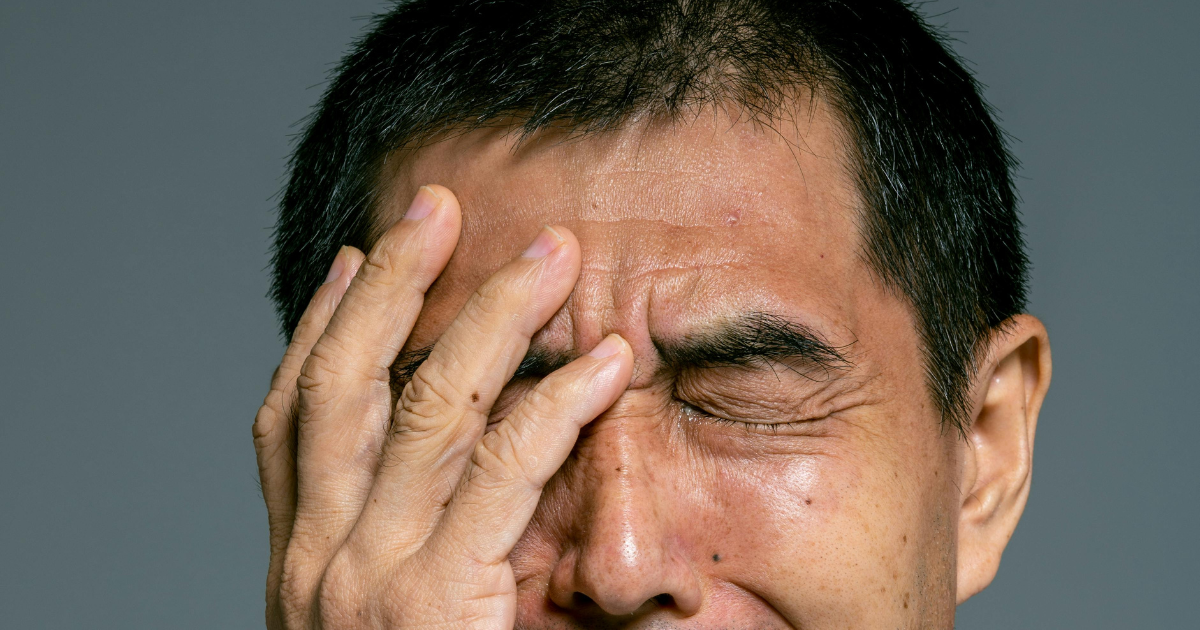
Hormonal Imbalance: Recognizing Symptoms Across Your Body and Mind
The most frequent physical symptoms that accompany hormonal mood disorders are:
| Hormone or Condition | Primary Physical Symptoms | Mental Health Presentation |
| High cortisol (chronic stress) | Weight gain around the abdomen, high blood pressure, poor sleep | Anxiety, irritability, cognitive impairment, and eventual burnout. |
| Low estrogen (menopause/perimenopause) | Hot flashes, vaginal dryness, irregular cycles | Depression, anxiety, mood instability, cognitive fog. |
| Hypothyroidism | Fatigue, weight gain, cold intolerance, slow heart rate | Depression, cognitive slowing, apathy, and low motivation. |
| Low testosterone (men and women) | Reduced libido, fatigue, and reduced muscle mass | Depression, reduced motivation, emotional flatness, irritability. |
Physical Signs That Often Accompany Mood Changes
Recognizing the physical signs that accompany hormonally driven mood changes is one of the most important clinical clues for applying the mental health and hormones connection to a specific presentation. The most common physical symptoms which are accompanied with hormonal mood disorders are:
- Sleep disturbance, such as the inability to sleep, waking up in the early morning, or the night sweats of estrogen loss, resulting in secondary sleep disturbance.
- Weight or appetite changes that track with mood symptoms and hormonal fluctuations rather than with behavioral changes.
- Cognitive problems, such as memory problems, word-finding problems, and slower processing speed, that are associated with hormonal depression, make it different from primary cognitive impairment.
Anxiety Hormones: Understanding the Biological Basis of Worry and Fear
Anxiety is not completely psychological. The anxiety disorders, mental health, and hormones interaction works with a variety of hormonal axes which generate the physiological arousal, threat sensitivity, and cognitive narrowing of anxiety.
The Anxiety and Depression Association of America (ADAA) has noted that the biological and hormonal aspects of anxiety are the core of the clinical presentation of the condition, and it should be assessed as a central feature of the presentation, especially in cases that vary in a cyclical manner or otherwise get worse during levels of hormone transition and co-occur with symptoms that indicate an endocrine condition. Treating the mental health and hormones connection in anxiety requires addressing both hormonal drivers and psychological maintaining factors.
Getting Professional Support for Hormonal Mental Health at Shine Mental Health
Shine Mental Health offers thorough evaluation and treatment of mental health disorders that involve the interaction between mental health and hormones, such as mood disorders with hormonal shifts, anxiety disorders with biological and endocrine aspects, and depression and cognitive symptoms of thyroid malfunction, adrenal malfunction, and reproductive hormone variations. Our clinicians collaborate with medical professionals to guarantee that hormonal factors related to mental health disorders are determined and managed alongside the psychological aspects of treatment.
Contact Shine Mental Health today about hormonal factors in mental health and comprehensive treatment options.

FAQs
-
Can hormone imbalances trigger anxiety without obvious physical symptoms?
Yes. Anxiety can be an initial effect of hormonal disturbances, especially subclinical thyroid dysfunction, premature estrogen depletion, and cortisol imbalances, without the manifestations of the endocrine system that are easily recognizable. This is especially typical in perimenopause, when mental symptoms such as anxiety and mood swings may appear before the physical ones of estrogen loss by months or years.
-
How do neurotransmitters change during hormonal fluctuations throughout the month?
The follicular phase is characterized by an increase in estrogen, which enhances the sensitivity of serotonin receptors and serotonin production, giving the elevated mood and social functioning seen in the first half of the follicular cycle. Once ovulation has taken place, progesterone increases, and its metabolite allopregnanolone activates GABA receptors, which initially cause relaxation but, as the levels plummet at the end of the luteal phase, cause the anxiety and irritability of the premenstrual period.
-
Why does thyroid dysfunction often masquerade as depression or mood disorders?
The thyroid hormones control the metabolic rate of all cells, including neurons, and their deficiency causes a worldwide slowing of the neurological activity that resembles the cognitive and motivational changes of major depression: fatigue, lack of motivation, slowing of the mind, emotional flatness, and lack of interest in activity. Due to the insidious onset of thyroid symptoms, the relationship with a medical etiology is frequently overlooked, and the individual is subjected to treatment with antidepressants that are not fully effective since underlying endocrine imbalances have not been treated.
-
What role do cortisol and adrenaline play in panic attacks and fear responses?
The major hormonal mediators of acute fear responses, as well as panic attacks, are cortisol and adrenaline. Adrenaline stimulates the physiological instantaneous panic attack that consists of increased heart rate, dyspnea, and the feeling of immediate danger. Cortisol maintains and increases this reaction, and in chronic high levels of cortisol, due to continued stress, reduces the threshold at which the panic reaction takes place by keeping the HPA axis in a primed-up position.
-
How can hormonal depression differ from standard depression in treatment approaches?
The difference between hormonal depression and primary major depressive disorder is that the hormonal dysregulation is a specific biological driver, which can only be treated indirectly by conventional antidepressants. Hormonal depression typically responds incompletely to the SSRIs since the serotonin system is being maintained pharmacologically, and the hormonal agent is still destabilizing the system. Depending on the causal hormone, hormone therapy, treatment of thyroid, or HPA axis support with or without antidepressants may be used as part of the comprehensive treatment of hormonally driven depression.