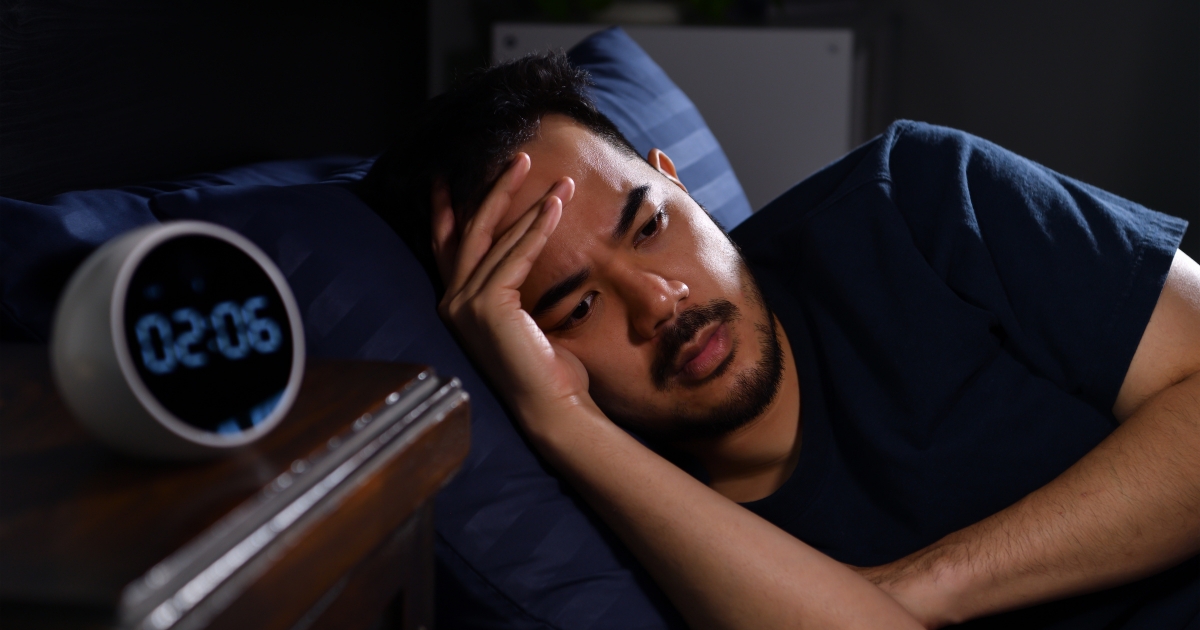



Anxiety has a way of hijacking your body before your mind even catches up. Your chest tightens, your heart races, and suddenly you’re breathing in short, shallow gasps that only make everything worse. In those moments, someone might tell you to “just breathe,” and while it sounds oversimplified, there’s genuine science behind why deep breathing for anxiety works when done correctly. Deep breathing for anxiety isn’t just a wellness trend—it’s a physiological intervention that can interrupt panic in real time when you understand how to use it properly. The challenge is knowing which techniques actually help, understanding what they can realistically address, and recognizing when breathing exercises alone aren’t enough to manage what you’re experiencing.
When anxiety strikes, your nervous system shifts into fight-or-flight mode, triggering a cascade of physical responses that feel overwhelming and sometimes frightening. Intentional breath control can activate your body’s natural calming mechanisms, slowing your heart rate and signaling safety to your brain. This post walks through the proven breathing techniques for panic attacks and everyday anxiety relief, explains why deep breathing reduce stress on a physiological level, and helps you recognize when to seek help for anxiety beyond self-help strategies. We’ll also discuss how professional mental health support, like the evidence-based programs available at facilities such as Shine Mental Health, can provide the comprehensive care needed when deep breathing for anxiety alone isn’t sufficient.
Why Deep Breathing for Anxiety Reduces Stress and Calms Symptoms
When you’re anxious, your breathing pattern changes automatically, often without you noticing. You start taking rapid, shallow breaths from your chest rather than slow, full breaths from your diaphragm. This type of breathing sends a signal to your brain that you’re in danger, which activates your sympathetic nervous system and keeps the anxiety cycle spinning. Deep breathing for anxiety works because it does the opposite—it engages your parasympathetic nervous system, which is responsible for the “rest and digest” response that calms your body down. When you practice diaphragmatic breathing, you’re essentially telling your brain that you’re safe, which triggers physiological changes including lowered heart rate, reduced blood pressure, and decreased cortisol levels. Shallow breathing perpetuates anxiety by maintaining the fight-or-flight response, while deep breathing for anxiety interrupts this cycle at the neurological level.
The diaphragmatic breathing benefits extend beyond immediate symptom relief. When you practice deep breathing for anxiety from your belly rather than your chest, you’re taking in more oxygen and allowing for better carbon dioxide exchange, which helps regulate the physical sensations that often accompany anxiety, like dizziness, tingling, or feeling lightheaded. However, it’s important to set realistic expectations about what deep breathing for anxiety can and cannot do. Breathing exercises can help you manage acute anxiety symptoms, interrupt a panic attack in progress, and reduce your baseline stress levels when practiced consistently over time. What they cannot do is resolve underlying anxiety disorders, address root causes like trauma or chronic stress, or replace the need for therapy and medication when your anxiety is moderate to severe. Deep breathing for anxiety is a powerful adjunct tool, but it works best as part of a broader approach to mental health care.
| Breathing Pattern | Nervous System Effect | Physical Impact |
|---|---|---|
| Shallow chest breathing | Activates sympathetic (fight-or-flight) | Increased heart rate, muscle tension, and cortisol release |
| Deep diaphragmatic breathing | Activates parasympathetic (rest-and-digest) | Lowered heart rate, reduced blood pressure, calmer mind |
| Rapid hyperventilation | Heightens sympathetic response | Dizziness, tingling, and increased panic sensations |
| Controlled paced breathing | Balances both systems | Steady heart rate, improved focus, reduced reactivity |
Proven Deep Breathing Techniques for Anxiety and Panic Attacks
Not all breathing techniques for panic attacks work the same way, and matching the right method to your specific anxiety trigger makes a significant difference in how effective it feels. The box breathing method is particularly helpful during acute panic because the structured counting gives your mind something to focus on while your body regulates—you inhale for four counts, hold for four, exhale for four, and hold again for four, repeating the cycle until you feel your heart rate slow. The 4-7-8 technique works similarly but with a longer exhale—breathe in for four counts, hold for seven, and exhale slowly for eight—which activates the vagus nerve and helps calm anxiety naturally. These methods represent what helps with anxiety immediately because they provide both physiological regulation and cognitive distraction. Deep breathing for anxiety becomes most effective when you practice these techniques regularly, not just during crisis moments, so your nervous system learns to respond more quickly when panic strikes.
Diaphragmatic breathing, sometimes called belly breathing, is the foundation of most breathing exercises for stress relief and works well for generalized anxiety rather than acute panic. You place one hand on your chest and one on your belly, then breathe in slowly through your nose, making sure your belly rises while your chest stays relatively still. The goal is to engage your diaphragm fully, which maximizes oxygen intake and signals relaxation to your nervous system. One common mistake people make when trying deep breathing for anxiety during high-stress moments is forcing the breath or trying to breathe too deeply too quickly, which can actually increase feelings of panic. The key is to start where you are—if your breathing is rapid and shallow, slow it down gradually rather than trying to immediately shift to long, deep breaths. Focus on releasing physical tension as you breathe, allowing your body to soften with each exhale.
- Box breathing: Best for acute panic attacks because the structured four-count pattern provides cognitive distraction while regulating breath rhythm and heart rate.
- 4-7-8 technique: Ideal for anticipatory anxiety before stressful events, as the extended exhale activates the vagus nerve and promotes immediate calm.
- Diaphragmatic breathing: Most effective for generalized anxiety and daily stress management when practiced consistently over time to build baseline resilience.
- Alternate nostril breathing: Helpful for racing thoughts and mental restlessness, as the physical coordination required interrupts anxious thought patterns.
- Resonant breathing: Useful for chronic stress, involving breathing at a rate of five breaths per minute to optimize heart rate variability and nervous system balance.
When Breathing Exercises for Stress Relief Aren’t Enough
There comes a point where self-help tools like deep breathing for anxiety, while valuable, aren’t sufficient to manage what you’re experiencing on your own. If you’re having panic attacks multiple times a week, if your anxiety is interfering with your ability to work or maintain relationships, or if you’re avoiding situations because of overwhelming worry, these are signs that deep breathing for anxiety alone cannot address what you’re experiencing, and your anxiety has crossed into territory that needs professional intervention. Breathing techniques can help you cope with symptoms in the moment, but they don’t address the underlying patterns, triggers, or neurobiological factors that drive moderate to severe anxiety disorders. When anxiety co-occurs with depression, trauma, or substance use, the clinical picture becomes more complex and requires integrated treatment that goes beyond what any single coping strategy can provide. You might notice that deep breathing for anxiety provides temporary relief, but symptoms return quickly, or that you need to use these techniques so frequently throughout the day that they’re becoming a crutch rather than a tool.

Deep breathing for anxiety functions best as an adjunct tool alongside evidence-based treatments like cognitive behavioral therapy, medication management when appropriate, and structured mental health programs. Professional treatment doesn’t replace the value of breathing exercises—in fact, most therapists teach these techniques as part of a broader anxiety management plan. The difference is that therapy helps you understand why your anxiety shows up the way it does, medication can address neurochemical imbalances that make you more vulnerable to anxiety, and structured programs provide the consistency and accountability that’s hard to maintain on your own when you’re struggling. How to calm anxiety naturally often involves a combination of self-help strategies and professional guidance working together, with deep breathing for anxiety serving as one component of a multifaceted treatment approach. Understanding when to seek help for anxiety is crucial for long-term recovery and wellness.
| Self-Help May Be Sufficient | Professional Support Recommended |
|---|---|
| Occasional anxiety in specific situations | Panic attacks multiple times per week |
| Symptoms respond well to breathing exercises | Anxiety interferes with work, relationships, or daily functioning |
| No co-occurring mental health conditions | Co-occurring depression, trauma, or substance use |
| Able to manage symptoms independently | Avoidant behaviors limiting your life |
| Anxiety feels manageable most days | Persistent worry that feels uncontrollable despite self-help efforts |
How Shine Mental Health Helps When Anxiety Needs More Than Self-Help Strategies
When deep breathing for anxiety and other self-help techniques aren’t enough to manage what you’re experiencing, Shine Mental Health offers outpatient mental health programs designed to address anxiety at its root while teaching you practical skills to manage symptoms in daily life. Our evidence-based approach combines individual therapy, group support, and psychiatric care when appropriate, creating a comprehensive treatment plan tailored to your specific needs. Our clinical team works with you to identify the underlying patterns driving your anxiety, develop healthier coping strategies, and build the resilience you need to reclaim your life from constant worry and fear. We integrate techniques like deep breathing for anxiety into a broader therapeutic framework that addresses both immediate symptom management and long-term recovery. If you’re tired of managing anxiety on your own and ready for professional support that meets you where you are, Shine Mental Health is here to help you take that next step toward lasting relief and recovery.
FAQs About Deep Breathing for Anxiety
How does deep breathing help with anxiety immediately?
Deep breathing for anxiety activates your parasympathetic nervous system, which is responsible for calming your body’s stress response. Within 60 to 90 seconds of intentional diaphragmatic breathing, your heart rate begins to slow, your blood pressure decreases, and your brain receives signals that you’re safe, interrupting the fight-or-flight response that fuels panic and worry.
What is the best breathing technique for panic attacks?
The box breathing method and the 4-7-8 technique are most effective during acute panic attacks because the structured counting provides cognitive distraction while regulating your breath rhythm. Both methods help you regain control over rapid, shallow breathing and signal your nervous system to shift out of panic mode.
Can breathing exercises replace anxiety medication or therapy?
No, breathing exercises for stress relief are effective coping tools but not substitutes for clinical treatment when anxiety is moderate to severe or interfering with daily life. Deep breathing for anxiety works best as part of a comprehensive treatment plan that may include therapy, medication management, and professional mental health support.
Why does deep breathing sometimes make my anxiety worse?
Hyperawareness of your breathing can trigger anxiety in some people, especially if you have a history of panic attacks or health anxiety, and this reaction may indicate a need for professional guidance. Alternative grounding techniques like progressive muscle relaxation or sensory-based strategies may work better for your nervous system than deep breathing exercises.
How long should I practice diaphragmatic breathing to see benefits?
Immediate calming effects from deep breathing for anxiety typically occur within two to three minutes of intentional practice during moments of acute stress. However, consistent daily practice over two to four weeks builds long-term stress resilience and contributes to baseline reduction in anxiety symptoms through deep breathing for anxiety by training your nervous system to respond more calmly to triggers over time.