



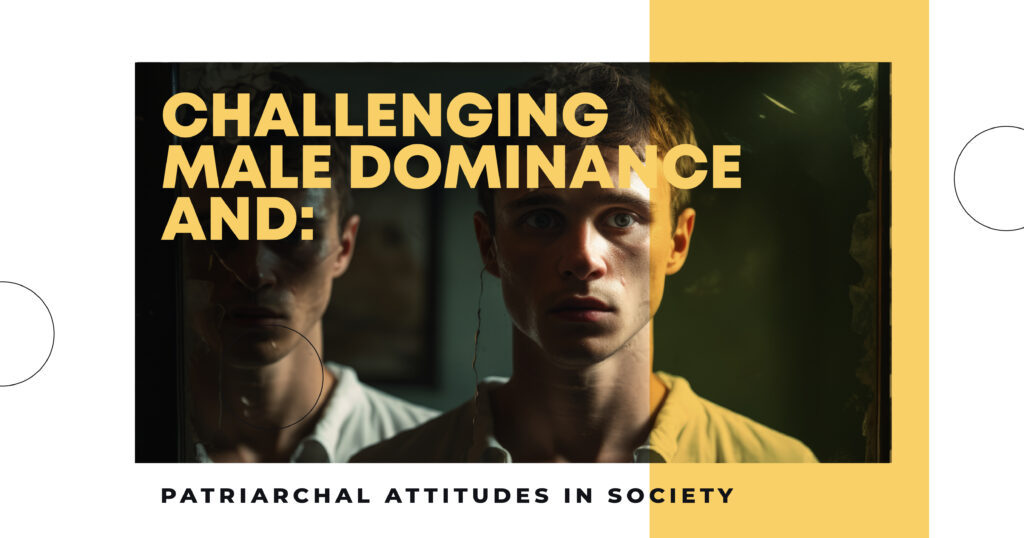
Gender-based inequality remains deeply rooted in the societies of the world and shapes the behaviors, belief systems, and power structures that define the everyday aspects of life. The discussion of chauvinist vs misogynist is a case of argumentation that is likely to be mentioned in the discussion of toxic gender relations, but the problem is much more complex and expansive.
Male domination is still driven by gender prejudice, discrimination, and patriarchal attitudes, which result in discrimination against women, anti-woman attitudes, and gender inequality that is endemic. The fact that these patterns were and continue to be reproduced is an important step to comprehend in order to create healthier and more equal communities.
Understanding Gender Bias in Society
Fundamentally, gender bias is the unfair assumptions or beliefs of individuals on the basis of their gender only. With bias, unlike overt discrimination, individuals often engage in subtle behavior, which affects hiring choices, promotions, access to healthcare, and other human relations.
Such prejudices eventually become the customary practice of unequal treatment, making sexism look like a normal and even invisible practice in society. Having no checks, prejudice will be inculcated in institutions, strengthening male privilege and narrowing opportunities to women and marginalized groups.
The Historical Context of Gender Bias and Sexism
In the past, most societies were organized into strict gender roles, whereby the male was the dominant gender, while the female was the subordinate gender. These roles were supported by law, religion, and culture, which dictated centuries of female discrimination.
Although this has improved, the heritage of these beliefs still exists. Equality can be encouraged by modern laws, but the influence of beliefs that are hard to change affects behavior and leads to persistent bias against women and decreased social mobility.
Modern Expressions of Male Dominance
The dominance of men nowadays may have a very subtle but omnipresent form. The fact that men still have dominance in political representation, leadership positions, and economic powers only makes the idea that authority and competence are still masculine attributes more solid. This kind of dynamics is not always intentional, yet it leads to the further existence of gender inequality, manifested in the unequal access to power and resources.
Female Discrimination in the Workplace and Beyond
The most obvious form of female discrimination appears in the workplace. Women often experience pay differentials, a lack of career growth, and a lack of performance appraisals. Systemic discrimination may affect healthcare, legal safeguards, and social norms, all of which help in creating disparities in the long run.
Common modern expressions of discrimination include:
- Lack of equal salaries for doing similar work despite similar qualifications.
- Poor representation of women in executive and decision-making.
- Rejection of feminine experiences by microaggressions.
- Greater monitoring of the conduct of women as opposed to men.
These trends perpetuate patriarchal behavior and codify inequity in various sectors.
Patriarchal Attitudes and Their Societal Effects
Patriarchal attitudes of power and dominance give preference to male power and authority, and downplay female autonomy and voices. Such attitudes affect family relationships, hierarchy in workplaces, and even policymaking. With time, they have established a world in which anti-woman sentiment has flourished, mostly under the pretense of tradition or culture.
How Patriarchal Mindsets Fuel Anti-Woman Sentiment
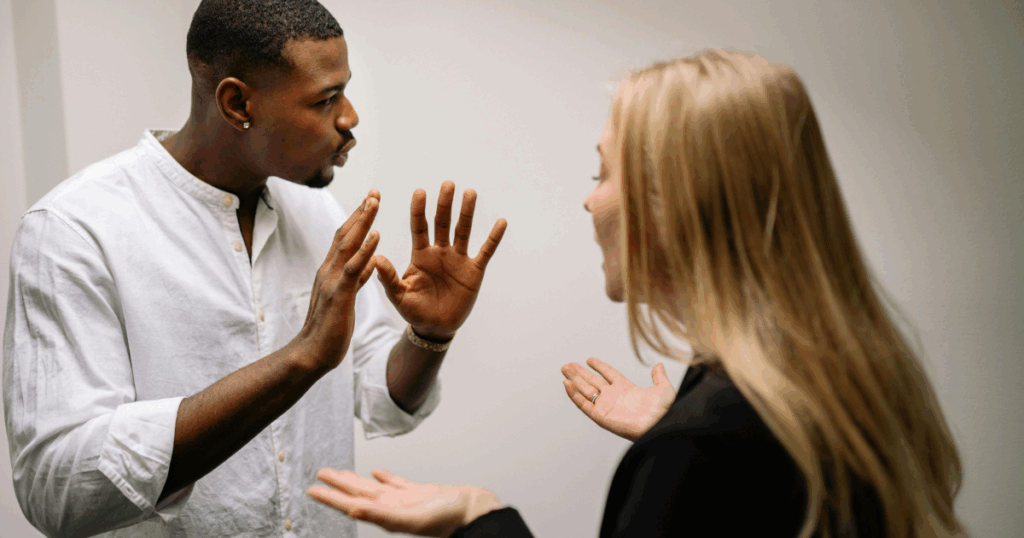
When patriarchal ideologies are not questioned, they present women as lesser, emotional, or dependent. Such framing makes anti-woman sentiment easier to justify, and it becomes easier to exclude, harass, or even harm.
The American Psychological Association states that a continued consumption of such stories may harm the mental health, self-worth, and general well-being of women and girls.
Cultural Influences on Prejudice Against Women
Culture is very influential in the creation of gender beliefs. Common practices, values, and social accounts tend to dictate what women should or should not do. Depending on the way they develop, these cultural influences may either oppose or support prejudice against women.
The Role of Media in Reinforcing or Challenging Sexism
The media have a lot of influence on societal attitudes. In cases where women are depicted as mostly caregivers, objects, or byproducts, sexism is strengthened. On the other hand, various and empowered depictions can break the stereotypes and advance equality.
| Media Influence Area | Impact on Gender Perception | Long-Term Effect |
| Advertising | Reinforces beauty standards | Normalizes objectification |
| Film & Television | Shapes leadership narratives | Limits role models |
| News Coverage | Frames credibility | Affects public trust |
| Social Media | Amplifies voices | Can challenge gender inequality |
Institutions such as UN Women actively study and advocate for equal representation as a response to negative discourses, as well as promote gender bias globally.
Strategies for Reducing Gender Inequality
To minimize gender inequality, there must be deliberate action at the individual, institutional, and societal levels. Education, policy change, and mental health assistance all have a key role to play in the unravelling of the systems of male dominance and patriarchal attitudes that have been entrenched.
Overcoming Prejudice Against Women: Stories of Change & Progress
Positive change is possible and already occurring. Women are combating sexism and are empowered through grassroots movements, policies that accommodate all individuals in the workplace, and education of the community.
The World Economic Forum is keen to note that those countries that are investing in gender equity are becoming better economically and realizing improved social results, and that is why equality should not be merely a question of morality but a question of prosperity.
Mental care also has a significant role to play. By overcoming internalized bias, discrimination-related trauma, and pressure on the part of society, one is able to recover and create a better case to change.
Personalized Support at Shine Mental Health
Shine Mental Health understands that memories of gender prejudice, female discrimination, and female prejudice may have a significant influence on emotional health. Our caring experts offer individualized mental health services that deal with the psychological effects of sexism, anti-woman attitudes, and unequal power relations.
Through empowering ourselves and being resilient, we enable people to overcome the problems of society and care about their mental health first. Get to know or meet our team at our center.

FAQs
What distinguishes gender bias from sexism, and how do they each contribute to male dominance and patriarchal attitudes?
Gender prejudice is addressed to unconscious beliefs, and sexism is a more direct discrimination. Both of them support the superiority of men, making unequal treatment the standard, and uphold the spirit of patriarchy.
How does female discrimination manifest in the workplace and other areas, and what are the long-term impacts on gender inequality?
There is female discrimination manifested in salary inequality, restricted access to leadership, and partial assessment. Such trends increase the disparity between the genders over time and limit economic and social development.
In what ways do patriarchal attitudes reinforce anti-woman sentiment and contribute to prejudice against women in modern society?
The patriarchal emotions put the men in superior positions and the women in inferior positions as a source of the anti-woman feeling. This type of attitude still favors biases towards women, both in cultures and institutions.
How does media representation influence anti-woman sentiment, and what cultural shifts are necessary to reduce sexism and promote equality?
The media shape the thinking process of people by either supporting or disproving sexism. Inclusive representation and accountability are cultural changes they need to make in order to reduce the anti-woman sentiment.
What effective strategies exist for combating gender inequality and addressing prejudice against women in various sectors?
Strategies that are tested to handle gender inequality and break prejudice against women are education, inclusive policies, mental health support, and advocacy.