


Borderline personality disorder (BPD) remains one of the most misunderstood mental health conditions, partly because the bpd diagnostic criteria outlined in the DSM-5 use clinical language that doesn’t always translate clearly to everyday experiences. Many people living with BPD symptoms spend years searching for answers, cycling through misdiagnoses or feeling dismissed by providers who don’t fully understand how the bpd diagnostic criteria manifest in real life. Understanding what the 9 criteria for BPD actually mean—not just in textbook terms but in recognizable daily patterns—can be the difference between years of confusion and finally getting appropriate help. For families watching a loved one struggle with intense emotional swings, relationship turmoil, or self-destructive behaviors, knowing these diagnostic standards provides a framework for understanding what’s happening and why professional assessment matters.

The DSM-5 borderline personality disorder diagnostic framework requires that at least 5 out of 9 specific bpd diagnostic criteria be present, but these standards describe patterns that look different from person to person and shift across different life contexts. This guide breaks down each of the bpd diagnostic criteria in plain language, connects them to concrete behavioral examples you might recognize, and addresses why BPD is so frequently misdiagnosed as bipolar disorder, ADHD, or other conditions. We’ll also explore the assessment process, demographic factors that influence diagnosis rates, and what thorough evaluation looks like when you’re seeking clarity about whether these patterns fit your experience or that of someone you care about.
The 9 BPD Diagnostic Criteria: DSM-5 Standards for Borderline Personality Disorder
When asking what are the 9 criteria for BPD, it’s important to understand that the official bpd diagnostic criteria established in the DSM-5 require that an individual meet at least 5 out of 9 specific standards for a formal diagnosis, with these patterns appearing by early adulthood and persisting across multiple contexts. Criterion 1 involves frantic efforts to avoid real or imagined abandonment, such as excessive texting when someone doesn’t respond immediately, suddenly ending relationships before the other person can leave first, or experiencing panic attacks when plans change unexpectedly. Criterion 2 describes a pattern of unstable and intense interpersonal relationships characterized by alternating between extremes of idealization and devaluation—thinking someone is perfect one day and completely terrible the next. Criterion 5 describes recurrent suicidal behavior, gestures, threats, or self-mutilating behavior, which represents one of the most serious signs of borderline personality disorder and requires immediate clinical attention. Criterion 6 involves affective instability due to marked reactivity of mood, with intense episodes of dysphoria, irritability, or anxiety usually lasting a few hours and rarely more than a few days.
The remaining bpd diagnostic criteria include Criterion 9, which describes transient, stress-related paranoid ideation or severe dissociative symptoms, where under significant stress someone might experience brief periods of feeling disconnected from reality or suspicious of others’ motives without clear evidence. Criterion 3 addresses identity disturbance, including a markedly unstable self-image or sense of self, such as frequently changing career goals, values, or friend groups depending on who you’re around. Criterion 4 involves impulsivity in at least two areas that are potentially self-damaging, such as spending, substance use, reckless driving, or binge eating. Criterion 7 addresses chronic feelings of emptiness, which people often describe as a persistent hollow sensation even when life circumstances seem objectively fine. Criterion 8 involves inappropriate, intense anger or difficulty controlling anger, appearing as frequent displays of temper that seem disproportionate to the triggering situation.
| DSM-5 Criterion | Clinical Description | Real-Life Example |
|---|---|---|
| Criterion 1 | Frantic efforts to avoid abandonment | Calling repeatedly when partner is 10 minutes late |
| Criterion 2 | Unstable intense relationships | Viewing friend as best person ever, then cutting them off completely after minor disagreement |
| Criterion 5 | Recurrent suicidal behavior or self-harm | Cutting or burning when overwhelmed by emotional pain |
| Criterion 6 | Affective instability | Going from happy to intensely sad within hours due to perceived rejection |
| Criterion 7 | Chronic feelings of emptiness | Persistent hollow feeling that nothing truly matters or fills the void |
What BPD Symptoms Actually Look Like in Daily Life
Understanding how is borderline personality disorder diagnosed requires recognizing that the bpd diagnostic criteria translate into specific, observable patterns that affect relationships, work performance, and self-perception in ways that often feel confusing or overwhelming to the person experiencing them. Someone meeting the bpd diagnostic criteria for identity disturbance might change their entire career path after spending time with a mentor in a different field or adopt completely different political views depending on their current romantic partner. The impulsivity in the bpd diagnostic criteria often appears as sudden decisions that seem reasonable in the moment but create significant consequences—maxing out credit cards during emotional distress, quitting jobs without backup plans when feeling undervalued, or engaging in substance use that escalates quickly. The chronic emptiness outlined in the bpd diagnostic criteria frequently drives people to seek external validation, new experiences, or relationships to fill the void, yet nothing provides lasting relief from this persistent hollow sensation.
The affective instability outlined in the bpd diagnostic criteria manifests differently than mood disorders like bipolar disorder because these emotional shifts are typically reactive to interpersonal events and last hours rather than weeks. Someone might feel devastated after a perceived slight at work, experience intense anger during an argument, then feel relatively stable again by evening once the triggering situation resolves. Relationship patterns reflecting the bpd diagnostic criteria create cycles where someone idealizes a new friend or partner as perfect and all-good, then suddenly devalues them as completely bad after a disappointment. The fear of abandonment drives behaviors that paradoxically push people away, such as testing whether someone will stay through increasingly demanding requests or creating conflicts to see if the person will leave. These patterns create self-fulfilling prophecies where the anticipated rejection becomes reality, reinforcing the core belief that abandonment is inevitable and relationships cannot be trusted.
- Emotional reactions that feel disproportionately intense to outside observers but completely justified in the moment, such as sobbing uncontrollably after a friend cancels plans or feeling rage when someone doesn’t text back within an expected timeframe.
- Identity shifts where personal preferences, values, career goals, or even basic personality traits seem to change depending on current relationships or social contexts, creating confusion about authentic self.
- Impulsive behaviors during emotional distress including excessive spending, substance use, binge eating, risky sexual encounters, or reckless driving that temporarily relieves emotional pain but creates new problems.
- Self-harm or suicidal ideation that emerges during periods of intense emotional overwhelm, often described as the only way to release unbearable internal tension or communicate the depth of pain being experienced.
Why BPD Is Frequently Misdiagnosed and How It Differs from Other Conditions
BPD misdiagnosis occurs frequently because many symptoms overlap with other mental health conditions, leading clinicians to focus on more familiar diagnoses rather than recognizing the specific pattern that meets bpd diagnostic criteria. The BPD vs bipolar disorder difference is particularly important to understand because both involve mood instability, but bipolar disorder features distinct episodes of mania or hypomania and depression lasting weeks to months that aren’t necessarily triggered by external events, while BPD involves rapid mood shifts lasting hours to days that are typically reactive to interpersonal situations. Major depressive disorder is another common misdiagnosis when clinicians focus on the chronic emptiness and suicidal ideation without recognizing the broader pattern of identity disturbance, relationship instability, and fear of abandonment that characterizes the bpd diagnostic criteria. PTSD and BPD share significant symptom overlap including emotional dysregulation and relationship difficulties, which is why BPD is hard to diagnose when trauma history is present—many people with BPD have experienced childhood trauma, but the pervasive pattern extends beyond trauma responses.

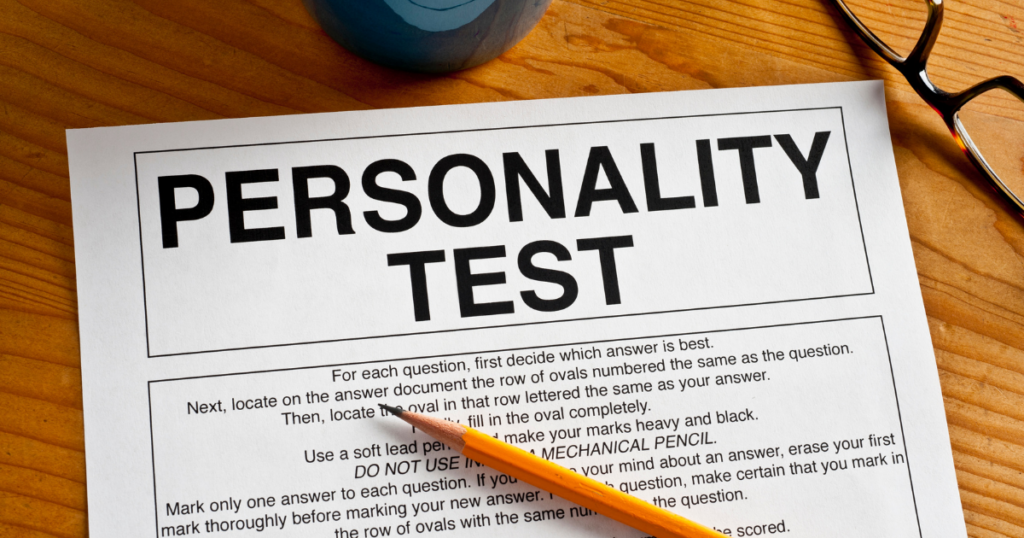
Gender bias significantly affects diagnosis rates, with research showing that women are diagnosed with BPD at much higher rates than men even when symptom presentation is similar and individuals are meeting the bpd diagnostic criteria equally. Clinicians may overlook signs of borderline personality disorder in men or misdiagnose it as antisocial personality disorder when men express symptoms through externalized anger rather than the stereotypical presentation. A borderline personality disorder assessment uses structured clinical interviews, validated screening tools, and careful evaluation of symptom patterns across time and contexts rather than relying on a single session or focusing only on current crisis symptoms. Comprehensive evaluation is essential because accurate diagnosis determines which evidence-based treatments will be most effective, and misdiagnosis can lead to years of ineffective interventions that don’t address the core patterns driving distress. The assessment process examines not just current symptoms but long-term patterns of functioning, relationship history, and how symptoms manifest across different life domains to ensure diagnostic accuracy.
| Condition | Key Distinguishing Feature | Typical Episode Duration |
|---|---|---|
| Borderline Personality Disorder | Mood shifts reactive to interpersonal events, fear of abandonment | Hours to days |
| Bipolar Disorder | Distinct manic/hypomanic episodes not tied to external triggers | Weeks to months |
| Major Depressive Disorder | Persistent low mood without identity disturbance or abandonment fears | Weeks to months |
| PTSD | Symptoms clearly linked to specific trauma with intrusive memories | Variable, triggered by reminders |
| ADHD | Impulsivity related to attention deficits, not emotion-driven | Chronic, consistent pattern |
Get an Accurate BPD Assessment at Shine Mental Health
If you recognize these patterns in yourself or someone you care about, getting an accurate evaluation using validated tools that assess the bpd diagnostic criteria is the essential first step toward effective treatment and lasting recovery. Shine Mental Health provides evidence-based evaluation that goes beyond surface symptoms to examine long-term patterns, differentiate BPD from commonly confused conditions, and create personalized treatment plans that address your specific constellation of symptoms and life circumstances. The specialized team uses structured clinical interviews alongside validated screening instruments to ensure diagnostic accuracy, understanding that getting the right diagnosis is not about labeling but about finally understanding what’s been happening and accessing treatments that actually work for the bpd diagnostic criteria you meet. The comprehensive assessment process includes dialectical behavior therapy and other evidence-based modalities specifically designed to address emotional dysregulation, relationship instability, and identity disturbance that characterize borderline personality disorder. Contact Shine Mental Health today for a confidential screening and take the first step toward understanding your mental health with clarity, receiving validation for your experiences, and accessing specialized BPD treatment that can genuinely transform your relationship with yourself and others.
FAQs About BPD Diagnostic Criteria
How many BPD criteria do you need to meet for a diagnosis?
You must meet at least 5 out of the 9 bpd diagnostic criteria outlined in the DSM-5 for a formal borderline personality disorder diagnosis. A qualified mental health professional conducts a thorough assessment to determine which bpd diagnostic criteria are present, their severity, and whether the pattern has been consistent across time and contexts.
Can you have BPD symptoms without meeting full diagnostic criteria?
Yes, many people experience some signs of borderline personality disorder without meeting the threshold of 5 bpd diagnostic criteria required for diagnosis, sometimes called “borderline traits” or subthreshold BPD. These individuals may still benefit significantly from therapeutic interventions specifically designed for BPD, such as dialectical behavior therapy, even without a formal diagnosis.
What’s the main difference between BPD and bipolar disorder?
The BPD vs bipolar disorder difference centers on mood episode duration and triggers—BPD involves rapid mood shifts lasting hours to days that are typically reactive to interpersonal events, while bipolar disorder features longer mood episodes lasting weeks to months that aren’t necessarily tied to external situations. Bipolar disorder is primarily a mood disorder affecting energy and activity levels, whereas BPD is a personality disorder affecting identity, relationships, and emotional regulation across all contexts.
At what age can BPD be diagnosed?
BPD is typically diagnosed in late adolescence or early adulthood, though symptoms often emerge clearly during teenage years as personality solidifies. While personality disorders are generally not formally diagnosed before age 18, clinicians may identify borderline features in adolescents when symptoms meeting the bpd diagnostic criteria are persistent, severe, and causing significant impairment across multiple life areas.
Why do women get diagnosed with BPD more often than men?
Research suggests diagnostic bias plays a significant role in gender disparities—clinicians may overlook the bpd diagnostic criteria in men or misdiagnose BPD as antisocial personality disorder or substance use disorder when symptoms don’t match stereotypical presentations. Men with BPD may express symptoms through more externalized behaviors like anger outbursts and risk-taking rather than internalized emotional pain and self-harm more commonly recognized in women, leading to systematic underdiagnosis despite similar prevalence rates.